


Best Decking Materials for North Carolina’s Climate
Choosing the right decking material is crucial for homeowners in North Carolina, where the humid climate can significantly impact the longevity and maintenance of outdoor structures. This article will explore the best decking materials suited for the unique weather conditions of the region, focusing on their durability, maintenance needs, and overall performance. Homeowners often face challenges such as mold growth, warping, and fading due to the high humidity and occasional coastal storms. By understanding the characteristics of various decking materials, you can make an informed decision that balances aesthetics, functionality, and cost. We will cover essential topics, including the performance of composite decking, the benefits of pressure-treated wood, and maintenance practices tailored for North Carolina’s climate.
Which Decking Materials Are Best Suited for North Carolina’s Humid Climate?
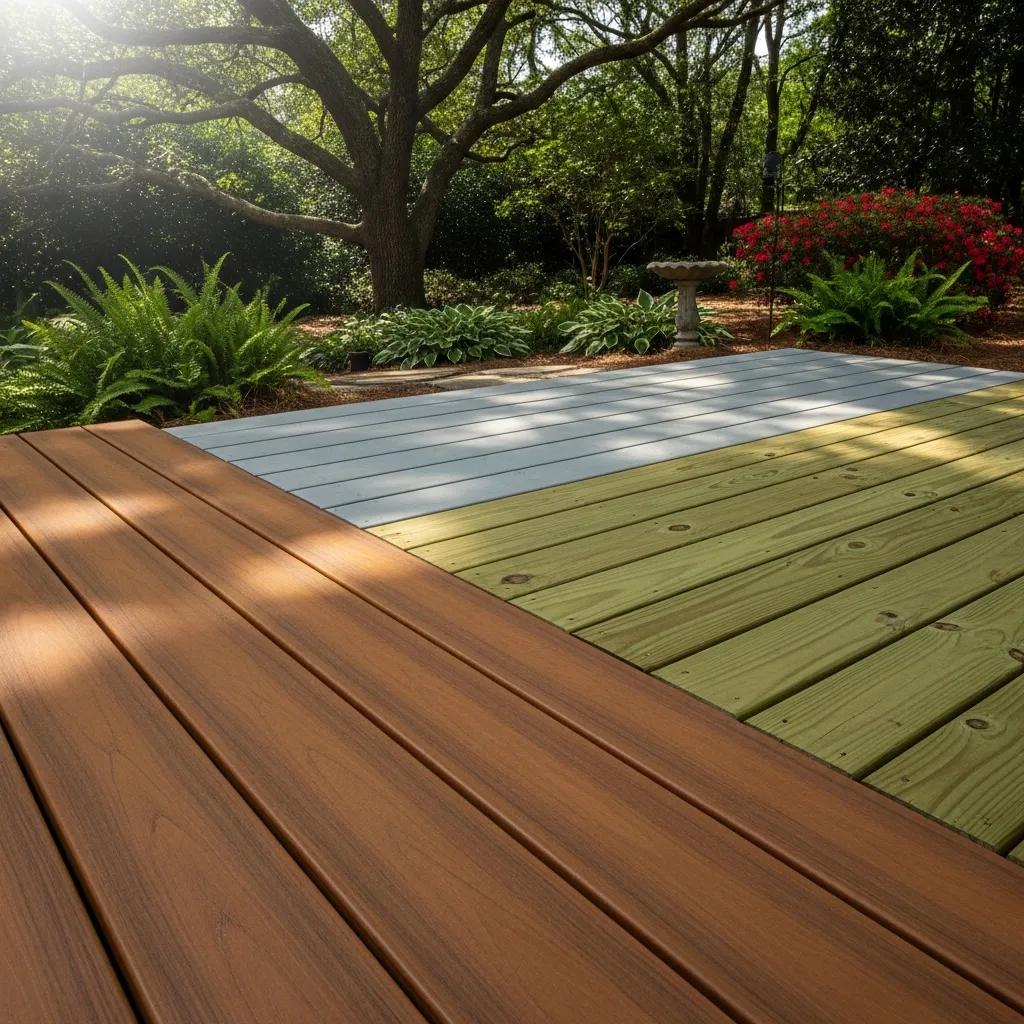
In North Carolina’s humid climate, selecting the right decking material is essential for ensuring durability and minimizing maintenance. The best options include composite decking, PVC decking, and tropical hardwoods. Each material offers unique benefits that cater to the challenges posed by high humidity and moisture exposure.
- Composite Decking: This material is engineered to resist moisture, making it an excellent choice for humid climates. It combines wood fibers and plastic, providing a durable surface that does not warp or splinter easily.
- PVC Decking: Completely synthetic, PVC decking is impervious to moisture and does not require sealing or staining. Its resistance to mold and mildew makes it ideal for areas with high humidity.
- Tropical Hardwoods: While more expensive, tropical hardwoods like Ipe and Teak are naturally resistant to moisture and pests. They offer a beautiful aesthetic but require regular maintenance to preserve their appearance.
These materials not only withstand the elements but also provide homeowners with a variety of design options to enhance their outdoor spaces.
How Does Composite Decking Perform in Humid and Coastal Weather?
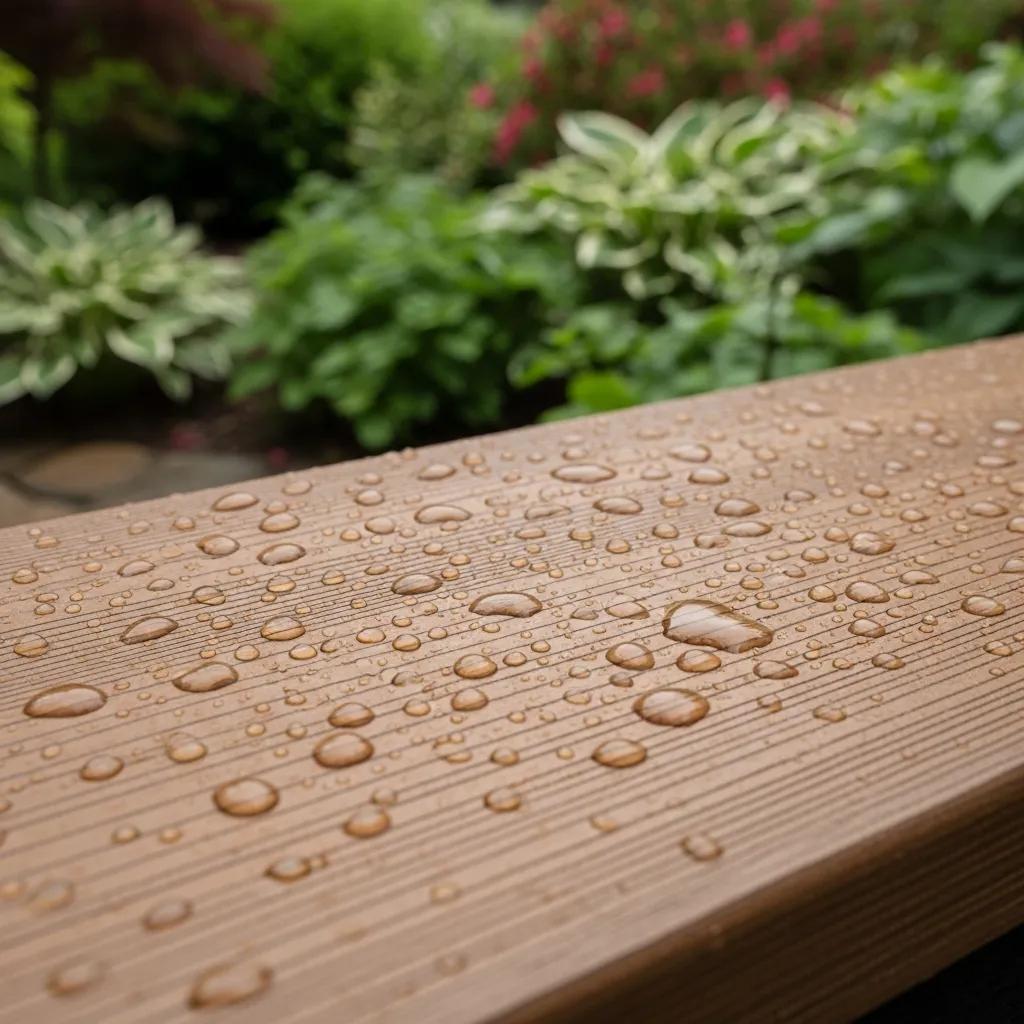
Composite decking performs exceptionally well in humid and coastal weather conditions due to its unique composition. The blend of wood fibers and recycled plastics creates a material that is resistant to rot, mold, and fading. Unlike traditional wood, composite decking does not absorb moisture, which helps prevent warping and splintering.
Additionally, many composite products come with protective coatings that enhance their durability against UV rays and moisture. This makes them a low-maintenance option, requiring only occasional cleaning with soap and water to maintain their appearance. Homeowners can enjoy their decks without the constant worry of deterioration, making composite decking a popular choice in North Carolina.
What Are the Benefits of Pressure Treated Wood for North Carolina Decks?
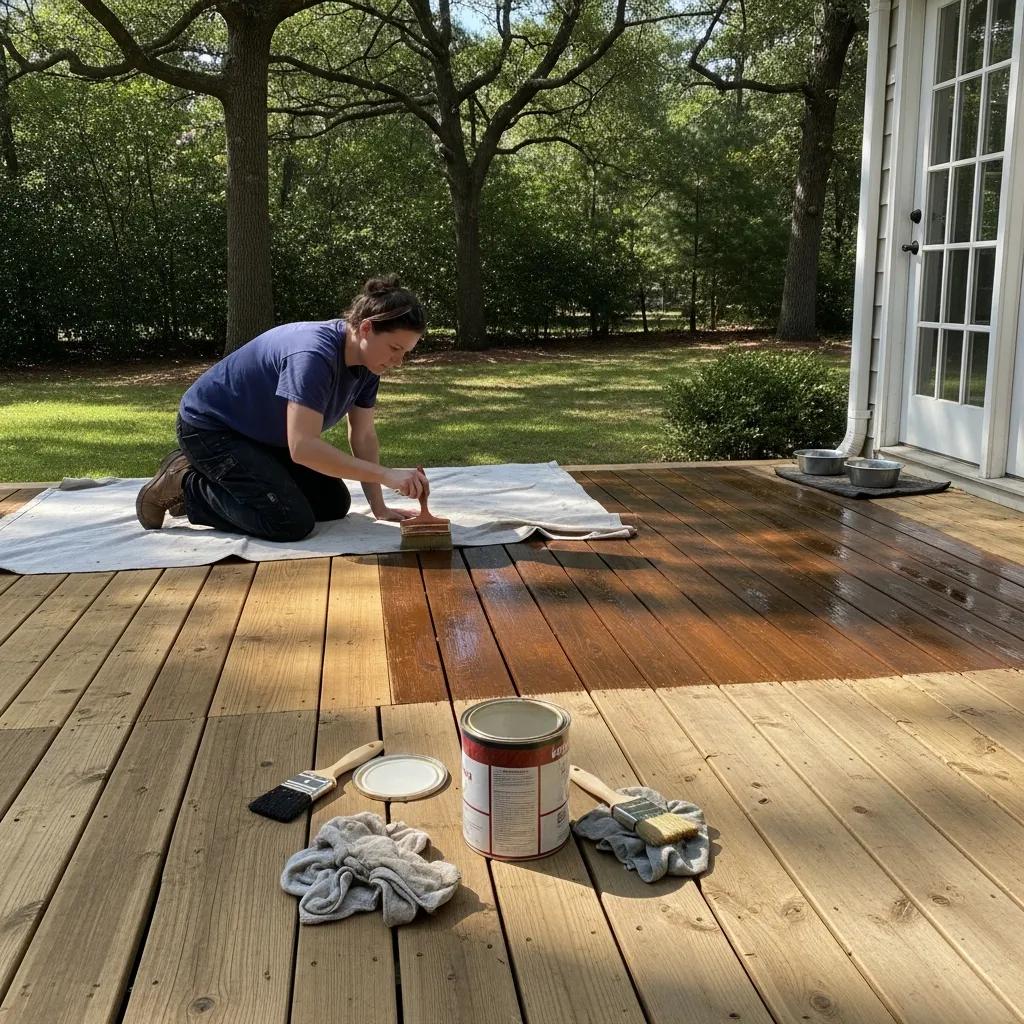
Pressure-treated wood is a widely used decking material in North Carolina due to its cost-effectiveness and durability. This type of wood is infused with preservatives that protect it from rot, insects, and moisture damage.
- Cost-Effectiveness: Pressure-treated wood is generally more affordable than composite or tropical hardwood options, making it accessible for many homeowners.
- Durability: With proper maintenance, pressure-treated wood can last for many years. Regular sealing and staining can enhance its lifespan and appearance.
- Resistance to Pests: The chemical treatment helps prevent damage from termites and other wood-boring insects, which is particularly important in humid climates.
While pressure-treated wood requires more maintenance than composite options, its affordability and resilience make it a viable choice for many homeowners.
How Do Capped Composite Decking and Traditional Wood Compare for Durability and Maintenance?
Capped composite decking and traditional wood each have distinct advantages and disadvantages regarding durability and maintenance.
Capped composite decking features a protective layer that shields the core material from moisture and UV damage. This design significantly reduces the risk of mold growth and fading, making it a low-maintenance option. Homeowners can expect to clean it occasionally, but it does not require staining or sealing like traditional wood.
In contrast, traditional wood decking, while aesthetically pleasing, demands regular maintenance to prevent deterioration. Homeowners must regularly apply sealants and stains to protect the wood from moisture and UV exposure. Over time, traditional wood can warp, splinter, and fade, requiring more frequent replacements.
Ultimately, capped composite decking offers superior durability and lower maintenance needs compared to traditional wood, making it a preferred choice for many homeowners in North Carolina.
What Makes Capped Composite Decking Resistant to Mold and Mildew?
Capped composite decking is designed with a protective layer that significantly enhances its resistance to mold and mildew. This layer is typically made from a durable polymer that prevents moisture from penetrating the core material.
- Moisture Barrier: The protective cap acts as a barrier against moisture, which is a primary factor in mold and mildew growth. By keeping water out, capped composite decking minimizes the risk of these issues.
- Smooth Surface: The smooth finish of capped composite decking makes it difficult for mold spores to adhere, further reducing the likelihood of growth.
- Low Maintenance: Homeowners can easily clean capped composite decking with soap and water, ensuring that any potential mold or mildew is quickly removed.
These features make capped composite decking an excellent choice for homeowners concerned about mold and mildew in North Carolina’s humid climate.
How Often Does Wood Decking Require Maintenance in Humid Climates?
Wood decking in humid climates requires regular maintenance to ensure its longevity and appearance. Homeowners should follow these guidelines for optimal care:
- Regular Inspections: Inspect the deck at least twice a year for signs of wear, such as splintering or discoloration.
- Sealing and Staining: Apply a protective sealant or stain every 1-3 years to protect the wood from moisture and UV damage.
- Cleaning: Clean the deck regularly to remove dirt, debris, and potential mold growth. A simple wash with soap and water can suffice.
By adhering to these maintenance practices, homeowners can extend the life of their wood decking and keep it looking its best.
What Are the Cost and Lifespan Differences Among Popular Decking Materials in North Carolina?
When considering decking materials, cost and lifespan are critical factors for homeowners. Here’s a comparison of popular options:
Composite and PVC decking, while initially more expensive, offer longer lifespans and lower maintenance costs over time. Pressure-treated wood is more affordable upfront but requires more frequent maintenance and replacement. Tropical hardwoods provide exceptional durability but come at a higher price point.
Understanding these cost and lifespan differences can help homeowners make informed decisions based on their budget and long-term plans.
How Does Decking Material Durability Affect Long-Term Investment?
The durability of decking materials plays a significant role in long-term investment for homeowners. Choosing a durable material can lead to substantial savings over time due to reduced maintenance and replacement costs.
- Lower Maintenance Costs: Durable materials like composite and PVC decking require less frequent maintenance, saving homeowners time and money.
- Increased Property Value: High-quality decking can enhance the overall appeal of a home, potentially increasing its resale value.
- Longer Lifespan: Investing in durable materials means fewer replacements, which can be a significant financial burden over time.
By prioritizing durability, homeowners can ensure that their investment in decking pays off in the long run.
What Are Typical Cost Ranges per Square Foot for Composite and Wood Decking?
When planning a decking project, understanding the cost per square foot for different materials is essential. Here are the typical cost ranges:
- Composite Decking: Ranges from $3.50 to $7.00 per square foot, depending on the brand and quality.
- PVC Decking: Typically costs between $5.00 and $10.00 per square foot, reflecting its high durability and low maintenance.
- Pressure-Treated Wood: Generally ranges from $2.00 to $5.00 per square foot, making it the most affordable option upfront.
These cost ranges can help homeowners budget effectively for their decking projects while considering the long-term implications of their material choices.
How Can Homeowners Maintain Decks Effectively in North Carolina’s Weather Conditions?
Maintaining decks in North Carolina’s weather conditions requires a proactive approach. Here are some effective maintenance tips:
- Regular Cleaning: Sweep and wash the deck regularly to remove debris and prevent mold growth.
- Inspect for Damage: Check for signs of wear, such as loose boards or splintering, and address issues promptly.
- Apply Protective Coatings: Use sealants or stains to protect wood decking from moisture and UV damage.
By following these maintenance practices, homeowners can ensure their decks remain safe and visually appealing throughout the year.
What Are Best Practices for Deck Maintenance in Humid Climates?
To keep decks in optimal condition in humid climates, homeowners should follow these best practices:
- Choose the Right Material: Opt for materials that are resistant to moisture and mold, such as composite or PVC decking.
- Implement Regular Maintenance: Schedule routine inspections and cleanings to catch potential issues early.
- Use Proper Drainage: Ensure that water drains away from the deck to prevent pooling and moisture buildup.
These best practices can help extend the life of a deck and reduce the need for costly repairs.
How Do UV Protection and Moisture Resistance Extend Deck Lifespan?
UV protection and moisture resistance are critical factors in extending the lifespan of decking materials.
- UV Protection: Decking materials with UV-resistant coatings prevent fading and deterioration caused by sun exposure. This protection helps maintain the deck’s appearance and structural integrity over time.
- Moisture Resistance: Materials that resist moisture prevent warping, mold growth, and other damage associated with high humidity. This resistance is particularly important in climates like North Carolina’s, where moisture levels can be high.
Scientific literature consistently highlights the significant impact of solar UV radiation on the longevity and integrity of various construction materials, including those used for decking.
UV Radiation Effects on Decking Materials & Lifespan
The deleterious effects of solar ultraviolet (UV) radiation on construction materials, especially wood and plastics, and the consequent impacts on their useful lifetimes, are well documented in scientific literature.
Effects of UV radiation on natural and synthetic materials, KK Pandey, 2023
By selecting materials with these protective features, homeowners can significantly enhance the longevity of their decks.
Which Eco-Friendly Decking Options Are Available for Sustainable Outdoor Spaces?
For environmentally conscious homeowners, several eco-friendly decking options are available:
- Recycled Composite Decking: Made from recycled materials, this option reduces waste and is often manufactured with sustainability in mind.
- Bamboo Decking: A rapidly renewable resource, bamboo is an excellent choice for those seeking sustainable materials.
- FSC-Certified Wood: Decking made from sustainably sourced wood ensures that the materials are harvested responsibly.
These eco-friendly options allow homeowners to create beautiful outdoor spaces while minimizing their environmental impact.
What Are the Benefits of Using Recycled Composite Decking Materials?
Recycled composite decking materials offer several benefits for homeowners:
- Sustainability: Utilizing recycled materials reduces waste and conserves natural resources.
- Durability: Recycled composites are designed to withstand the elements, providing a long-lasting decking solution.
- Low Maintenance: These materials typically require less maintenance than traditional wood, saving homeowners time and effort.
By choosing recycled composite decking, homeowners can enjoy a beautiful deck while contributing to environmental sustainability.
How Do Eco-Friendly Decking Choices Perform in North Carolina’s Climate?
Eco-friendly decking choices, such as recycled composites and bamboo, perform well in North Carolina’s climate when properly selected and maintained.
- Moisture Resistance: Many eco-friendly materials are designed to resist moisture, making them suitable for humid conditions.
- Durability: High-quality eco-friendly options can offer comparable durability to traditional materials, ensuring they withstand the elements.
- Aesthetic Appeal: Eco-friendly decking can provide a beautiful finish that enhances outdoor spaces without compromising on style.
By considering these factors, homeowners can confidently choose eco-friendly decking that meets their needs in North Carolina’s climate.
Considering a new deck or repairs? Get a free quote from Burlington Fence & Deck today!
For homeowners in North Carolina looking to enhance their outdoor living spaces, selecting the right decking material is crucial. Burlington Fence & Deck offers expert deck building services tailored to the region’s climate. With years of experience, they provide customized solutions that ensure durability and aesthetic appeal.
When it comes to maintaining your deck, regular inspections and timely repairs are essential. Burlington Fence & Deck specializes in deck repair, addressing issues such as rot, splintering, and structural damage to keep your deck safe and beautiful.
In addition to decks, Burlington Fence & Deck also provides comprehensive fence installation and repair services. Whether you need a new fence or repairs to an existing one, their team ensures quality workmanship and lasting results.
Choosing the right fence can significantly enhance your property’s security and curb appeal. Burlington Fence & Deck offers a variety of residential fence options to suit your needs and style preferences.
For all your decking and fencing needs in Burlington, trust the experts at Burlington Fence & Deck. Contact them today to learn more about their services and how they can help you create the perfect outdoor space.