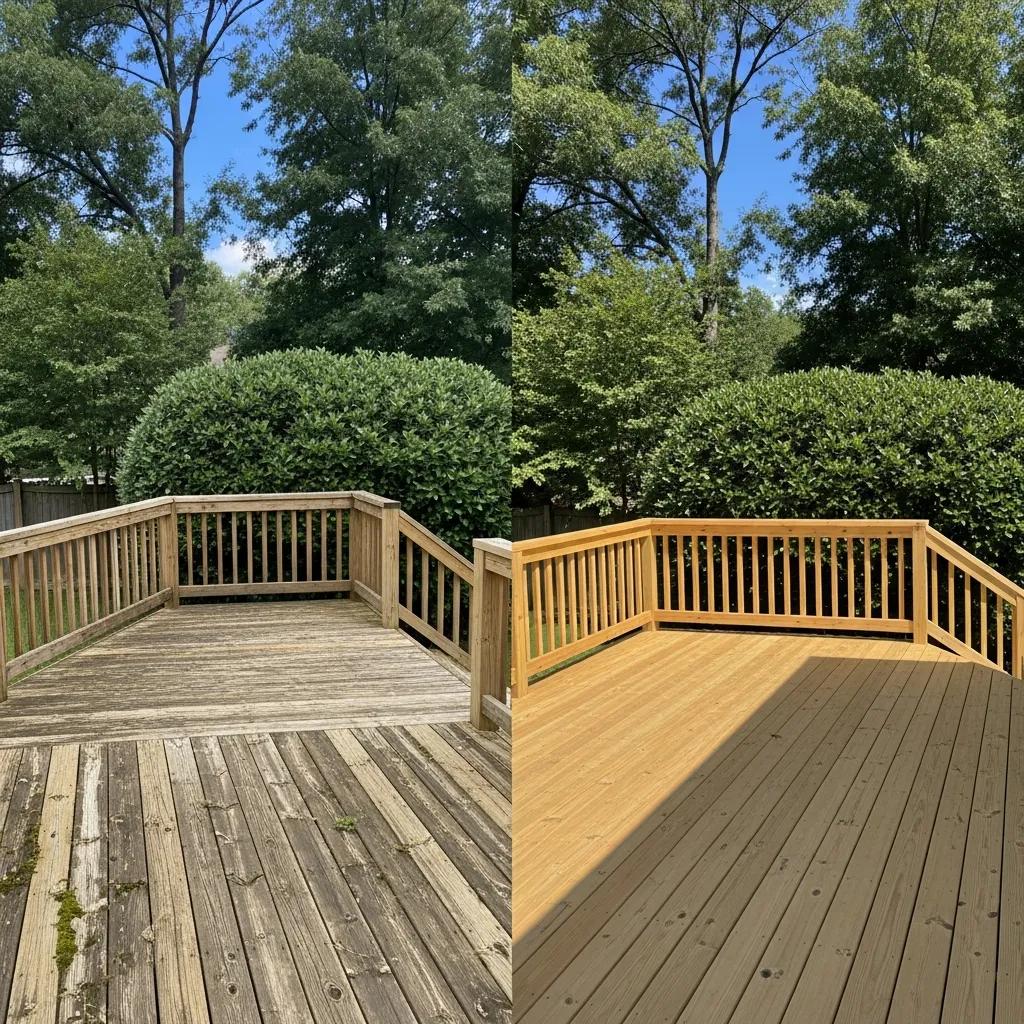
Deck Repair vs. Deck Replacement: How to Decide Based on Cost, Safety, and Maintenance
Deciding between deck repair and replacement can be a daunting task for homeowners. Understanding the key differences, costs, and safety implications is essential for making an informed choice. This article will explore the critical factors that influence whether to repair or replace your deck, focusing on cost, safety, and maintenance considerations. Many homeowners face the dilemma of whether to invest in repairs or opt for a complete replacement, often leading to confusion and uncertainty. By examining the signs that indicate the need for repair or replacement, as well as the associated costs and safety risks, you can make a decision that best suits your needs. We will cover the signs indicating repair or replacement, cost comparisons, safety inspections, and maintenance tips to help you extend the lifespan of your deck.
What Are the Key Signs You Need Deck Repair or Replacement?
Identifying the signs that your deck requires repair or replacement is crucial for maintaining safety and functionality. Common indicators include significant sagging, extensive visible damage, and rotting wood. These issues can compromise the structural integrity of your deck, making it essential to address them promptly.
- Significant Sagging: A noticeable sag in the deck can indicate underlying structural issues that may require replacement.
- Extensive Visible Damage: Cracks, splinters, and warping are signs that the deck may not be safe for use.
- Rotting Wood: Soft or decaying wood is a clear indication that the deck is at risk and may need to be replaced.
Recognizing these signs early can prevent further damage and ensure the safety of your outdoor space.
How to Identify Deck Rot and Structural Damage Early
Early detection of deck rot and structural damage can save homeowners from costly repairs or replacements. Regular inspections are key to identifying potential issues before they escalate.
- Check for Soft Spots: Walking on the deck and feeling for soft spots can help identify areas of rot.
- Inspect the Underside: A thorough inspection of the underside of the deck can reveal hidden damage.
- Look for Visible Rot: Signs of rot, such as discoloration or a spongy texture, should be addressed immediately.
By conducting regular inspections, you can catch problems early and determine whether repair or replacement is necessary.
When Is Deck Replacement Necessary Instead of Repair?
There are specific criteria that can help determine when deck replacement is necessary rather than repair. Understanding these factors can guide your decision-making process.
- Significant Sagging: If the deck is sagging significantly, it may indicate that the support structure is compromised, necessitating replacement.
- Extensive Visible Damage: When damage is widespread and affects multiple areas, replacement may be more cost-effective than repair.
- Loose or Rusted Fasteners: If fasteners are rusted or loose, it can compromise the deck’s stability, indicating a need for replacement.
Evaluating these criteria can help you make a more informed decision regarding your deck’s future.
How Do Deck Repair and Replacement Costs Compare?
Understanding the costs associated with deck repair and replacement is essential for budgeting your project.
Deck repair is generally less expensive than replacement, but the extent of damage and the materials used can significantly influence the final cost.
What Factors Influence Deck Repair Cost Estimates?
Several factors can affect the cost estimates for deck repairs. Being aware of these can help you prepare for potential expenses.
- Materials Used: The type of materials chosen for repairs can impact costs significantly.
- Size of the Deck: Larger decks will naturally incur higher repair costs due to the increased amount of materials and labor required.
- Extent of Damage: More extensive damage will require more resources and time to repair, increasing overall costs.
Understanding these factors can help you better estimate your repair costs and make informed decisions.
What Are the Typical Costs and Benefits of Deck Replacement?
Deck replacement can be a significant investment, but it also offers various benefits that can enhance your outdoor space.
- Cost Range for Deck Replacement: The average cost for deck replacement ranges from $3,000 to $10,000, depending on size and materials.
- Benefits of Replacing a Deck: A new deck can improve safety, aesthetics, and property value.
- Potential Drawbacks: While replacement offers many benefits, it can be a costly endeavor that requires careful planning.
Evaluating the costs and benefits of deck replacement can help you determine if it is the right choice for your home.
How to Conduct a Deck Safety Inspection Before Deciding?
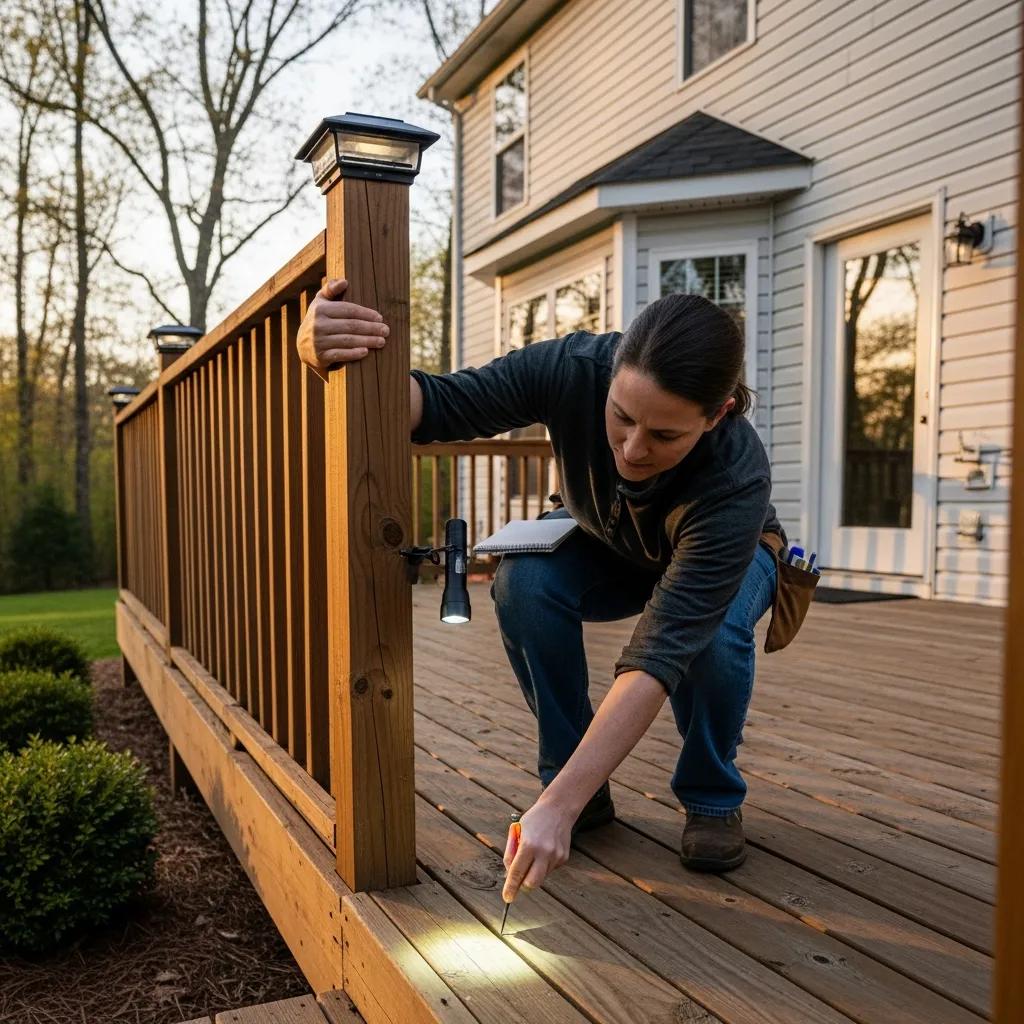
Conducting a safety inspection of your deck is crucial before making any decisions regarding repair or replacement.
- Check for Soft Spots: Walk across the deck to identify any soft areas that may indicate rot.
- Inspect Railings and Stairs: Ensure that railings and stairs are secure and free from damage.
- Review Connections: Examine all connections and fasteners to ensure they are tight and rust-free.
A thorough safety inspection can provide valuable insights into the condition of your deck and inform your decision-making process.
What Does a Comprehensive Deck Safety Inspection Checklist Include?
A comprehensive deck safety inspection checklist can help ensure that all critical areas are evaluated.
- Soft Spots: Identify any areas of rot or decay.
- Visible Signs of Wear: Look for cracks, splinters, or other visible damage.
- Secure Railings: Ensure that railings are stable and secure.
Using a checklist can help streamline the inspection process and ensure that no critical areas are overlooked.
How Do Safety Risks Affect the Repair vs. Replacement Decision?
Safety risks play a significant role in the decision to repair or replace a deck.
- Importance of Safety Features: Ensuring that your deck meets safety standards is crucial for preventing accidents.
- Signs of Damage that Pose Safety Hazards: Visible damage can indicate potential safety risks that may necessitate replacement.
- Long-term Safety Considerations: Investing in a new deck may provide better long-term safety compared to repairing an old, damaged structure.
Understanding the safety implications can help you prioritize your decision-making process.
Which Deck Materials Offer the Best Longevity and Maintenance Benefits?
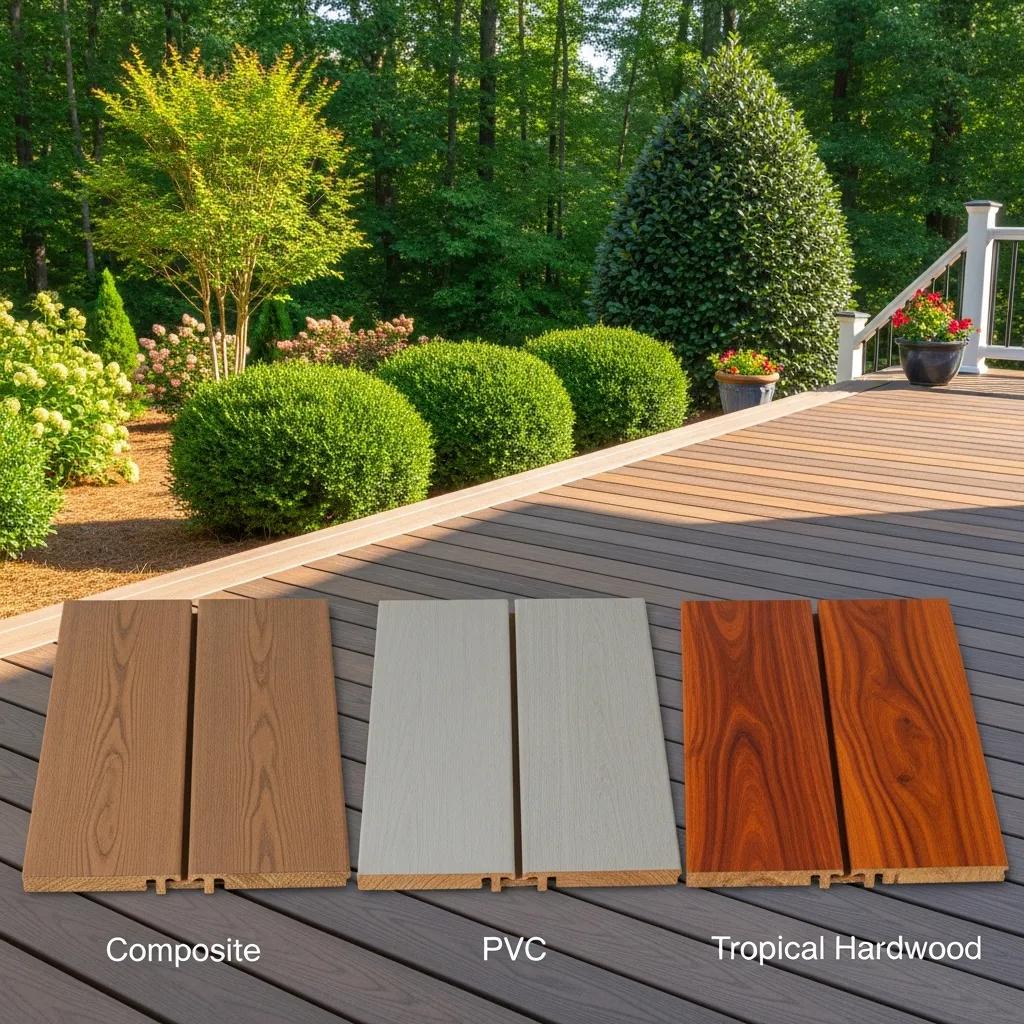
Choosing the right materials for your deck can significantly impact its longevity and maintenance requirements.
- Composite Decking: Known for its durability and low maintenance, composite decking is a popular choice among homeowners.
- PVC Decking: Offers excellent resistance to moisture and fading, making it a long-lasting option.
- Tropical Hardwoods: While beautiful, tropical hardwoods require more maintenance to preserve their appearance.
Selecting the right materials can enhance the lifespan of your deck and reduce maintenance efforts.
How Do Wood and Composite Decking Compare in Durability?
When considering decking options, comparing wood and composite materials is essential for understanding their durability.
- Durability of Composite Decking: Composite decking is engineered to withstand the elements, making it a long-lasting choice.
- Maintenance Requirements of Wood Decking: Wood decking requires regular maintenance, including sealing and staining, to prevent deterioration.
- Long-term Performance: Composite materials often outperform wood in terms of longevity and resistance to wear.
Evaluating these factors can help you choose the best decking material for your needs.
What Are Recent Innovations in Deck Materials for Longer Lifespan?
Recent innovations in deck materials have led to improved durability and maintenance benefits.
- Composite Decking Advancements: New formulations of composite materials offer enhanced resistance to fading and scratching.
- PVC Decking Innovations: Advances in PVC technology have improved its structural integrity and aesthetic appeal.
- Deck Coatings: Innovative coatings can protect wood decks from moisture and UV damage, extending their lifespan.
Staying informed about these innovations can help you make better choices for your deck.
What Maintenance Tips Can Extend Your Deck’s Lifespan?
Regular maintenance is key to prolonging the lifespan of your deck.
- Regular Cleaning: Keeping your deck clean can prevent the buildup of dirt and debris that can cause damage.
- Sealing and Weather-proofing: Applying sealants can protect wood from moisture and UV damage.
- Prompt Repairs: Addressing minor issues quickly can prevent them from escalating into more significant problems.
Implementing these maintenance tips can help you maximize the lifespan of your deck.
How Regular Maintenance Can Delay the Need for Repair or Replacement
Regular maintenance can significantly delay the need for costly repairs or replacement.
- Importance of Regular Inspections: Conducting regular inspections can help identify potential issues before they become serious.
- Preventative Maintenance Tasks: Simple tasks like cleaning and sealing can protect your deck from damage.
- Long-term Cost Savings: Investing in maintenance can save you money in the long run by preventing major repairs or replacements.
Understanding the value of regular maintenance can help you make informed decisions about your deck’s care.
What Are Best Practices for Deck Cleaning and Upkeep?
Implementing best practices for deck cleaning and upkeep can enhance its longevity and appearance.
- Regular Cleaning Schedule: Establishing a cleaning routine can help maintain your deck’s condition.
- Inspection for Damage: Regularly checking for signs of wear can help catch issues early.
- Use of Sealants: Applying sealants can protect your deck from moisture and UV damage.
Following these best practices can ensure that your deck remains in excellent condition for years to come.
Considering a new outdoor space? Get a free quote to explore your options.