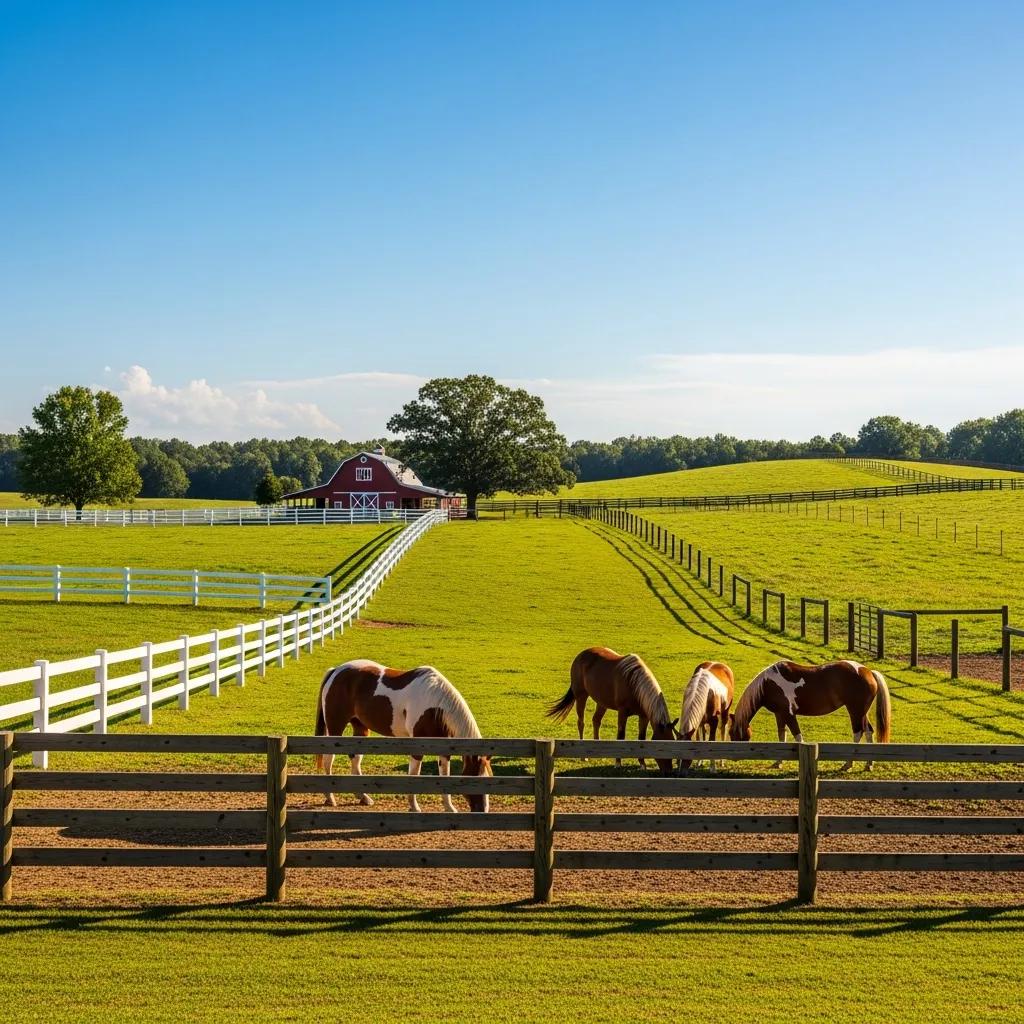
Farm, Horse, and Agricultural Fence Installation in Burlington, NC
Fencing is a crucial aspect of farm and agricultural management, particularly in Burlington, NC, where the right fence can protect livestock and crops while enhancing property aesthetics. This article delves into the various types of fencing materials suitable for farms and horses, the installation process, maintenance needs, and cost considerations. Readers will gain insights into the best practices for selecting and maintaining fences that meet their agricultural needs. Understanding these elements is essential for ensuring the safety and efficiency of farm operations. We will explore the types of fencing materials, the installation process, maintenance services, and the costs associated with farm and horse fence installation.
What Types of Fencing Materials Are Best for Farms and Horses in Burlington, NC?
Choosing the right fencing material is vital for ensuring the safety and containment of livestock. In Burlington, NC, several materials are commonly used, each with its unique benefits and applications. The primary types of fencing materials include wood, vinyl, wire, and electric options, each catering to different needs and preferences.
- Wood Fencing: Known for its aesthetic appeal and strength, wood fencing is a popular choice for farms. It provides a natural look and can be customized in height and style. However, it requires regular maintenance to prevent rot and damage from pests.
- Vinyl Fencing: This material offers durability and low maintenance, making it an attractive option for horse owners. Vinyl fences are resistant to weathering and do not require painting or staining, which can save time and money in the long run.
- Wire Fencing: Often used for larger pastures, wire fencing is cost-effective and easy to install. It is suitable for containing livestock while allowing visibility and airflow. However, it may not provide the same level of security as solid fencing options.
- Electric Fencing: This type of fencing is increasingly popular for its effectiveness in containing animals and deterring predators. Electric fences can be used in conjunction with other types of fencing for added security.
Understanding the characteristics of these materials helps in making informed decisions that align with specific agricultural needs.
Wood, Vinyl, Wire, and Electric Fence Options Explained
Each fencing option has distinct features that make it suitable for various applications in agricultural settings.
- Wood Fencing: Wood fences are typically made from treated lumber, which enhances their durability. They can be designed as post-and-rail or solid board styles, providing flexibility in design. Regular maintenance, such as sealing and painting, is necessary to prolong their lifespan.
- Vinyl Fencing: Vinyl fences are manufactured from high-quality PVC, making them resistant to fading, cracking, and warping. They come in various styles and colors, allowing for customization to match the property’s aesthetic. Their low maintenance requirements make them a favorite among busy farmers.
- Wire Fencing: Available in different gauges and types, wire fencing can be barbed, smooth, or woven. It is lightweight and easy to install, making it ideal for temporary enclosures or large areas. However, it may require additional support structures to maintain tension and prevent sagging.
- Electric Fencing: Electric fences use a low-voltage current to deter animals from crossing boundaries. They are particularly effective for containing horses and cattle, as they provide a psychological barrier. Regular checks are necessary to ensure the system is functioning correctly.
These options provide a range of solutions for farmers and horse owners in Burlington, NC, allowing them to choose the best fit for their specific needs.
Benefits and Durability of Each Fencing Material for Agricultural Use
When selecting fencing materials, it is essential to consider their benefits and durability. Each type of fencing offers unique advantages that can enhance agricultural operations.
- Wood Fencing: Offers a classic look and can last for decades with proper care. It provides excellent security and can be easily repaired if damaged. However, it is susceptible to rot and insect damage, requiring regular maintenance.
- Vinyl Fencing: Known for its longevity, vinyl can last over 30 years without significant wear. It is resistant to pests and does not require painting, making it a cost-effective choice in the long run. Its flexibility in design allows for various applications.
- Wire Fencing: While not as visually appealing, wire fencing is incredibly durable and can withstand harsh weather conditions. It is an economical choice for large areas and can be easily repaired or replaced.
- Electric Fencing: Provides a high level of security and is effective in keeping livestock contained. It is also a deterrent for predators, making it a valuable addition to any farm. Regular maintenance of the electrical components is necessary to ensure effectiveness.
Understanding the benefits and durability of these materials helps farmers make informed decisions that align with their operational needs.
How Does the Farm and Horse Fence Installation Process Work in Burlington, NC?
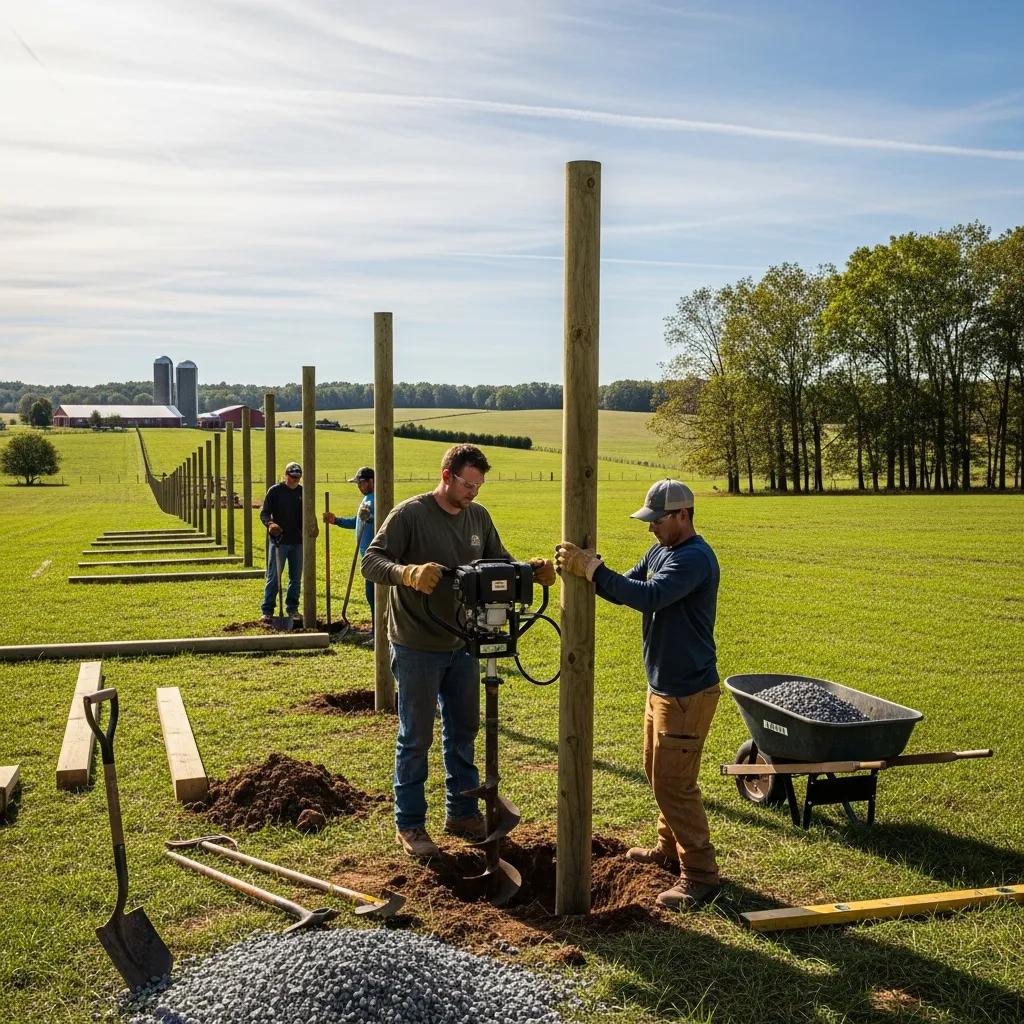
The installation process for farm and horse fencing involves several key steps to ensure a secure and effective barrier. Understanding this process can help property owners prepare for the installation and manage expectations.
- Planning and Design: The first step involves assessing the property and determining the type of fencing needed. This includes measuring the area, considering the type of livestock, and selecting appropriate materials.
- Permitting and Regulations: Before installation, it is essential to check local regulations regarding fencing. Some areas may have specific requirements for height, materials, or placement.
- Site Preparation: This step includes clearing the area of debris, marking the fence line, and ensuring the ground is level. Proper site preparation is crucial for a successful installation.
- Installation: The actual installation involves setting posts, attaching fencing materials, and ensuring everything is secure. Professional installers often use specialized tools to ensure the fence is sturdy and properly aligned.
- Final Inspection: After installation, a thorough inspection is conducted to ensure the fence meets safety and quality standards. Any necessary adjustments are made at this stage.
Understanding these steps can help property owners navigate the installation process more effectively.
Step-by-Step Guide to Professional Fence Installation
A professional fence installation typically follows a structured approach to ensure quality and durability. Here’s a step-by-step guide to what to expect during the installation process:
- Initial Consultation: A professional will meet with the property owner to discuss needs, preferences, and budget. This consultation helps in selecting the right materials and design.
- Site Assessment: The installer will assess the property to determine the best placement for the fence, taking into account any obstacles or specific requirements.
- Material Selection: Based on the consultation and assessment, the installer will recommend suitable materials and provide a detailed estimate.
- Installation Scheduling: Once materials are selected, a timeline for installation is established. This includes scheduling the installation date and any necessary permits.
- Installation Day: On the scheduled day, the installation team will arrive with the necessary tools and materials. They will follow the planned design, ensuring that the fence is installed correctly and securely.
- Post-Installation Review: After installation, the team will review the work with the property owner, ensuring satisfaction and addressing any concerns.
This structured approach ensures that the installation process is efficient and meets the property owner’s expectations.
Typical Installation Timeline and What to Expect
The timeline for fence installation can vary based on several factors, including the type of material, the size of the area, and weather conditions. Generally, the installation process can be broken down into the following timeframes:
- Consultation and Planning: 1-2 weeks for initial consultations, site assessments, and material selection.
- Permitting: 1-3 weeks, depending on local regulations and the complexity of the project.
- Installation: 1-5 days, depending on the size of the area and the type of fencing being installed.
- Final Inspection: 1 day for a thorough review and any necessary adjustments.
Property owners should be prepared for potential delays due to weather or permitting issues, but understanding the typical timeline can help manage expectations.
What Are the Maintenance and Repair Services Available for Agricultural Fences in Burlington, NC?
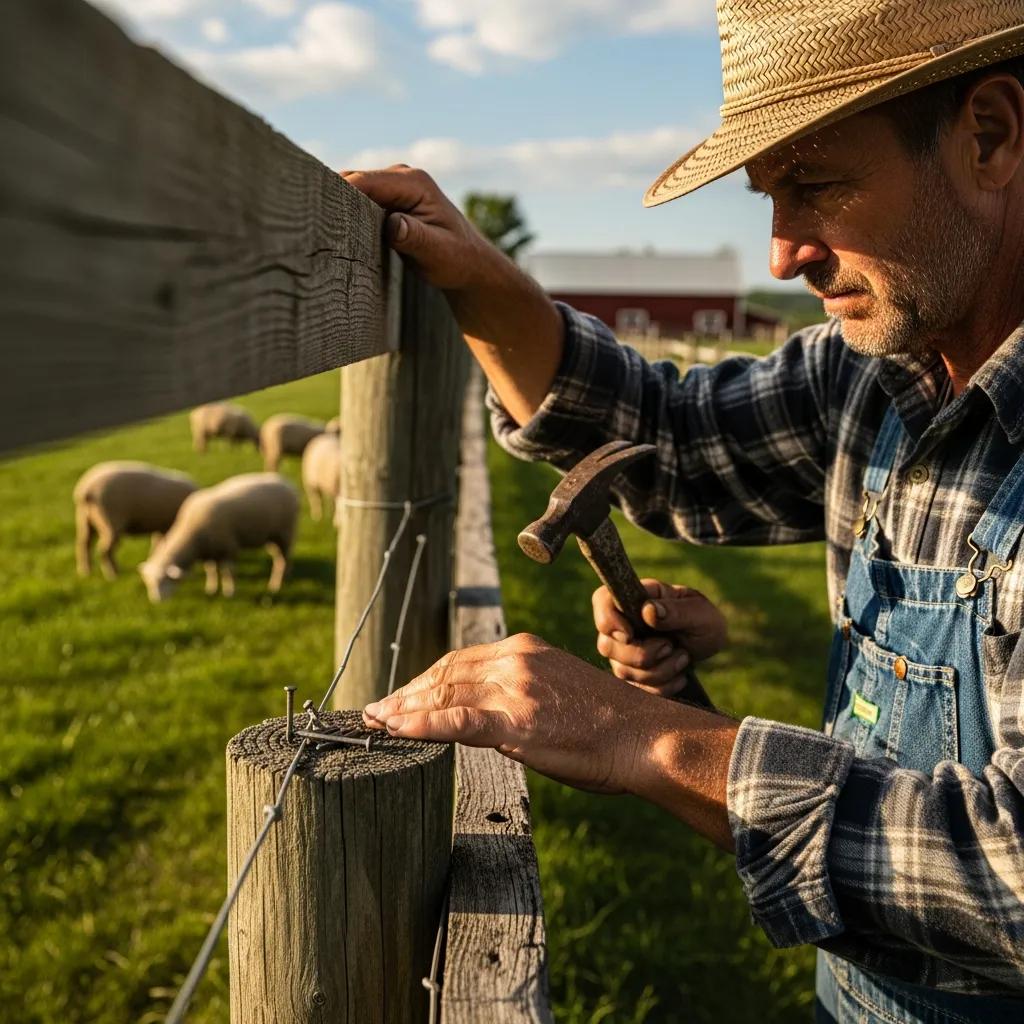
Maintaining agricultural fences is crucial for ensuring their longevity and effectiveness. Regular maintenance and repair services can help prevent costly replacements and ensure the safety of livestock.
- Routine Inspections: Regular inspections help identify potential issues before they become significant problems. This includes checking for loose boards, rust on metal fences, and signs of wear.
- Repairs: Common repair needs include fixing loose boards, replacing damaged sections, and treating rust on metal fences. Prompt repairs can extend the life of the fence and maintain its effectiveness.
- Cleaning and Maintenance: Keeping fences clean and free of debris is essential for preventing damage. This may involve power washing vinyl fences or treating wood fences with protective coatings.
- Upgrades: As technology advances, upgrading to more effective fencing solutions, such as electric fencing, can enhance security and containment.
Understanding the available maintenance and repair services can help property owners keep their fences in optimal condition.
Common Fence Repair Needs for Farm and Horse Fencing
Farm and horse fencing often requires specific repairs to maintain functionality and safety. Common repair needs include:
- Loose Boards: Over time, boards can become loose due to weather conditions or animal activity. Regular checks and prompt repairs are necessary to maintain structural integrity.
- Rust Treatment: Metal fences are susceptible to rust, which can weaken the structure. Regular treatment with rust inhibitors can prolong the life of metal fencing.
- Damage from Animals: Livestock can sometimes damage fences while trying to escape or interact with other animals. Repairing any damage promptly is crucial for maintaining containment.
- Gate Repairs: Gates are often the most used part of a fence and can wear out quickly. Regular maintenance and repairs ensure they function correctly and securely.
By addressing these common repair needs, property owners can ensure their fencing remains effective and safe for livestock.
Tips for Maintaining Durable and Safe Livestock Fences
Proper maintenance is essential for ensuring the durability and safety of livestock fences. Here are some tips to help property owners maintain their fencing effectively:
- Regular Inspections: Conduct routine inspections to identify any signs of wear or damage. Early detection can prevent more significant issues down the line.
- Choose Quality Materials: Investing in high-quality fencing materials can reduce the need for frequent repairs and replacements.
- Protective Treatments: Apply protective coatings to wood and metal fences to prevent rot and rust. This can significantly extend the life of the fence.
- Keep Fences Clear: Regularly clear debris and vegetation from around the fence line to prevent damage and ensure visibility.
By following these tips, property owners can maintain durable and safe livestock fences that effectively protect their animals.
How Much Does Farm and Horse Fence Installation Cost in Burlington, NC?
The cost of farm and horse fence installation can vary significantly based on several factors, including the type of material, the size of the area, and the complexity of the installation. Understanding these factors can help property owners budget effectively.
- Material Costs: Different materials come with varying price points. For example, wood fencing may cost between $15 to $30 per linear foot, while vinyl can range from $20 to $40 per linear foot.
- Installation Complexity: More complex installations, such as those requiring additional support structures or specialized designs, can increase labor costs.
- Site Preparation: If significant site preparation is needed, such as clearing land or leveling the ground, this can add to the overall cost.
- Permitting Fees: Depending on local regulations, there may be fees associated with obtaining permits for fence installation.
By considering these factors, property owners can better estimate the costs associated with their fencing projects.
Cost Breakdown by Fence Type and Installation Complexity
Understanding the cost breakdown for different types of fencing can help property owners make informed decisions. Here’s a comparison of costs based on material and installation complexity:
This breakdown provides a clear overview of the potential costs associated with different fencing options, helping property owners budget accordingly.
Financing Options and Value Considerations for Agricultural Fencing
Investing in quality fencing can be a significant expense, but various financing options can help property owners manage costs effectively.
- Personal Loans: Many property owners opt for personal loans to cover the upfront costs of fencing installation. These loans can provide the necessary funds while allowing for manageable repayment terms.
- Home Equity Loans: For those with equity in their property, home equity loans can be a viable option. These loans typically offer lower interest rates compared to personal loans.
- Payment Plans: Some fencing contractors offer payment plans that allow property owners to spread the cost of installation over time, making it more affordable.
- Long-Term Value: Investing in quality fencing not only enhances property value but also reduces long-term maintenance costs. Durable materials can save money in repairs and replacements over time.
By exploring these financing options, property owners can make informed decisions that align with their budget and long-term goals.
What Livestock and Horse Containment Solutions Are Offered by Burlington Fence Contractors?
Burlington fence contractors offer a variety of livestock and horse containment solutions tailored to meet the needs of local farmers and horse owners. These solutions include:
- Custom Fencing Designs: Contractors can create custom fencing solutions that cater to specific livestock needs, ensuring safety and containment.
- Integrated Systems: Many contractors offer integrated systems that combine traditional fencing with electric options for enhanced security.
- Specialized Materials: Contractors often provide specialized materials designed for specific types of livestock, ensuring optimal safety and containment.
- Consultation Services: Many contractors offer consultation services to help property owners determine the best fencing solutions for their unique needs.
These solutions ensure that livestock and horses are safely contained while providing peace of mind for their owners.
Specialized Fencing for Horses, Cattle, and Sheep
Different types of livestock require specialized fencing solutions to ensure their safety and containment. Here’s a look at some of the specialized fencing options available:
- Horse Fencing: Typically made from wood or vinyl, horse fencing is designed to withstand the strength and agility of horses. It often features smooth surfaces to prevent injuries.
- Cattle Fencing: Cattle fencing is usually made from high-tensile wire or barbed wire, providing a strong barrier that can withstand the pressure of larger animals.
- Sheep Fencing: Sheep require fencing that prevents them from escaping while allowing for visibility. Woven wire fencing is often used for this purpose, as it provides a secure barrier without sharp edges.
- Multi-species Fencing: Some farms may require fencing that accommodates multiple types of livestock. In these cases, contractors can design hybrid fencing solutions that meet the needs of various animals.
By understanding the specific requirements of different livestock, property owners can choose the most effective fencing solutions.
Electric Fencing and Integrated Livestock Management Technologies
Electric fencing is becoming increasingly popular among farmers for its effectiveness in containing livestock and deterring predators. Here’s how electric fencing works and its benefits:
- How It Works: Electric fencing uses a low-voltage current to create a psychological barrier for animals. When they attempt to cross the boundary, they receive a mild shock, which discourages them from escaping.
- Benefits: Electric fencing is highly effective for containing animals and can be used in conjunction with traditional fencing for added security. It is also relatively easy to install and maintain.
- Integrated Technologies: Many modern electric fencing systems come with integrated technologies, such as remote monitoring and automated controls, allowing farmers to manage their fencing systems more efficiently.
- Safety Considerations: While electric fencing is safe for livestock, it is essential to follow proper installation guidelines and regularly check the system to ensure it is functioning correctly.
By incorporating electric fencing and integrated technologies, farmers can enhance their livestock management practices.
Why Choose Burlington Fence and Deck for Your Agricultural Fence Installation Needs?
When it comes to agricultural fence installation, Burlington Fence and Deck stands out for several reasons:
- Experience and Expertise: With years of experience in the industry, Burlington Fence and Deck has the knowledge and skills to handle various fencing projects, ensuring quality workmanship.
- Customer Satisfaction Focus: The company prioritizes customer satisfaction, working closely with clients to understand their needs and deliver tailored solutions.
- Quality Materials: Burlington Fence and Deck uses high-quality materials that ensure durability and longevity, providing peace of mind for property owners.
- Comprehensive Services: From consultation to installation and maintenance, Burlington Fence and Deck offers a full range of services to meet all fencing needs.
Choosing a reputable contractor like Burlington Fence and Deck can make a significant difference in the success of agricultural fencing projects.
Customer Testimonials and Case Studies from Burlington, NC
Customer feedback is invaluable in assessing the quality of services provided by Burlington Fence and Deck. Many clients have shared positive experiences regarding their fencing projects, highlighting the professionalism and expertise of the team.
- Positive Feedback: Clients often commend the company for its attention to detail and commitment to delivering high-quality results.
- Successful Projects: Case studies showcase a variety of successful fencing installations, demonstrating the company’s ability to handle diverse needs and challenges.
- Importance of Customer Trust: Building trust with clients is a priority for Burlington Fence and Deck, and their testimonials reflect a strong reputation in the community.
By focusing on customer satisfaction and delivering exceptional results, Burlington Fence and Deck has established itself as a trusted provider of fencing solutions in Burlington, NC.
Compliance with Local Regulations and Industry Standards
Understanding and complying with local regulations and industry standards is crucial for successful fence installation. Here are some key considerations:
- Local Regulations: Property owners should familiarize themselves with local zoning laws and regulations regarding fence height, materials, and placement. Non-compliance can result in fines or required removal of the fence.
- Industry Standards: Adhering to industry standards ensures that fencing installations meet safety and quality benchmarks. This includes using appropriate materials and construction techniques.
- Permitting Process: Obtaining the necessary permits before installation is essential. This process may involve submitting plans and paying fees to local authorities.
- Impact on Installation: Compliance with regulations can affect the design and installation process, making it essential for property owners to work with knowledgeable contractors who understand local requirements.
By prioritizing compliance, property owners can avoid potential issues and ensure their fencing projects are successful.
For a free estimate on your next fencing project, consider reaching out to Burlington Fence and Deck.
Additionally, fence installation is a critical step in ensuring the longevity and effectiveness of your fencing.
Many property owners also consider deck options to enhance their outdoor spaces.
For those interested in residential fencing, residential fence options are available to meet various needs.