



How to Care for a Composite Deck: Essential Maintenance Guide for NC Homeowners
Caring for a composite deck is essential for maintaining its appearance and longevity, especially in the unique climate of North Carolina. This guide will provide homeowners with practical maintenance tips, cleaning techniques, and seasonal care strategies to ensure their composite decks remain in excellent condition. Composite decking, known for its durability and low maintenance, still requires regular upkeep to prevent issues such as mold, stains, and damage from the elements. By following the recommendations outlined in this article, homeowners can enjoy their outdoor spaces while preserving the integrity of their decks.
What Are the Best Cleaning Tips for Composite Decking in North Carolina?
Cleaning composite decking is crucial to prevent dirt buildup and maintain its aesthetic appeal. Here are some effective cleaning tips tailored for North Carolina homeowners:
- Regular Cleaning: Sweep the deck regularly to remove debris, leaves, and dirt that can trap moisture and lead to mold growth.
- Use Appropriate Cleaners: Opt for cleaners specifically designed for composite materials to avoid damaging the surface.
- Seasonal Inspections: Conduct thorough inspections at the beginning of each season to identify any potential issues early.
Implementing these cleaning practices will help maintain the beauty and functionality of your composite deck throughout the year.
Which Cleaners Are Safe and Effective for Composite Decks?
When selecting cleaners for composite decks, it’s essential to choose products that are both safe and effective. Here are some recommended options:
- Mild Soap and Water: A simple mixture of mild soap and water can effectively clean most stains without damaging the deck.
- Composite Deck Cleaners: Look for cleaners specifically formulated for composite materials, as they are designed to remove stains without causing harm.
- Oxygen Bleach: This is a safe alternative for tougher stains, as it is less harsh than chlorine bleach and effective against mold and mildew.
Using the right cleaning products will ensure that your composite deck remains in top condition without compromising its integrity.
How Often Should You Clean Your Composite Deck in NC’s Climate?
In North Carolina’s humid climate, it’s recommended to clean your composite deck at least twice a year. Regular cleaning helps prevent mold and mildew growth, which can thrive in warm, moist conditions. Homeowners should also consider cleaning after heavy rain or storms, as debris and moisture can accumulate quickly. By adhering to this cleaning schedule, you can maintain the appearance and longevity of your deck.
How Can You Prevent Mold and Stains on Composite Decks?
Preventing mold and stains on composite decks involves proactive measures. Here are some effective strategies:
- Regular Cleaning: As mentioned, consistent cleaning is key to preventing mold growth.
- Debris Removal: Ensure that leaves, dirt, and other debris are promptly removed from the deck surface.
- Apply Protective Coatings: Consider applying a protective sealant designed for composite materials to create a barrier against moisture and stains.
By implementing these preventive measures, homeowners can significantly reduce the risk of mold and stains on their composite decks.
What Are the Top Methods to Prevent Mold Growth on Composite Decking?
To effectively prevent mold growth on composite decking, consider the following methods:
- Proper Drainage: Ensure that water drains away from the deck to prevent pooling, which can encourage mold growth.
- Ventilation: Allow for adequate airflow around the deck to help keep it dry.
- Use of Mold Inhibitors: Some cleaning products contain mold inhibitors that can help prevent mold from taking hold.
These methods will help maintain a clean and safe outdoor space for homeowners.
Beyond routine maintenance, understanding the broader context of mold prevention, particularly in environments prone to moisture, can offer additional insights into protecting your home and health.
Mold Prevention & Health Effects After Water Damage
Extensive water damage after major hurricanes and floods increases the likelihood of mold contamination in buildings. This report provides information on how to limit exposure to mold and how to identify and prevent mold-related health effects. Where uncertainties in scientific knowledge exist, practical applications designed to be protective of a person’s health are presented. Evidence is included about assessing exposure, clean-up and prevention, personal protective equipment, health effects, and public health strategies and recommendations. The recommendations assume that, in the aftermath of major hurricanes or floods,
Mold prevention strategies and possible health effects in the aftermath of major hurricanes or floods, 2006
Which Stain Removal Techniques Work Best for Composite Decks?
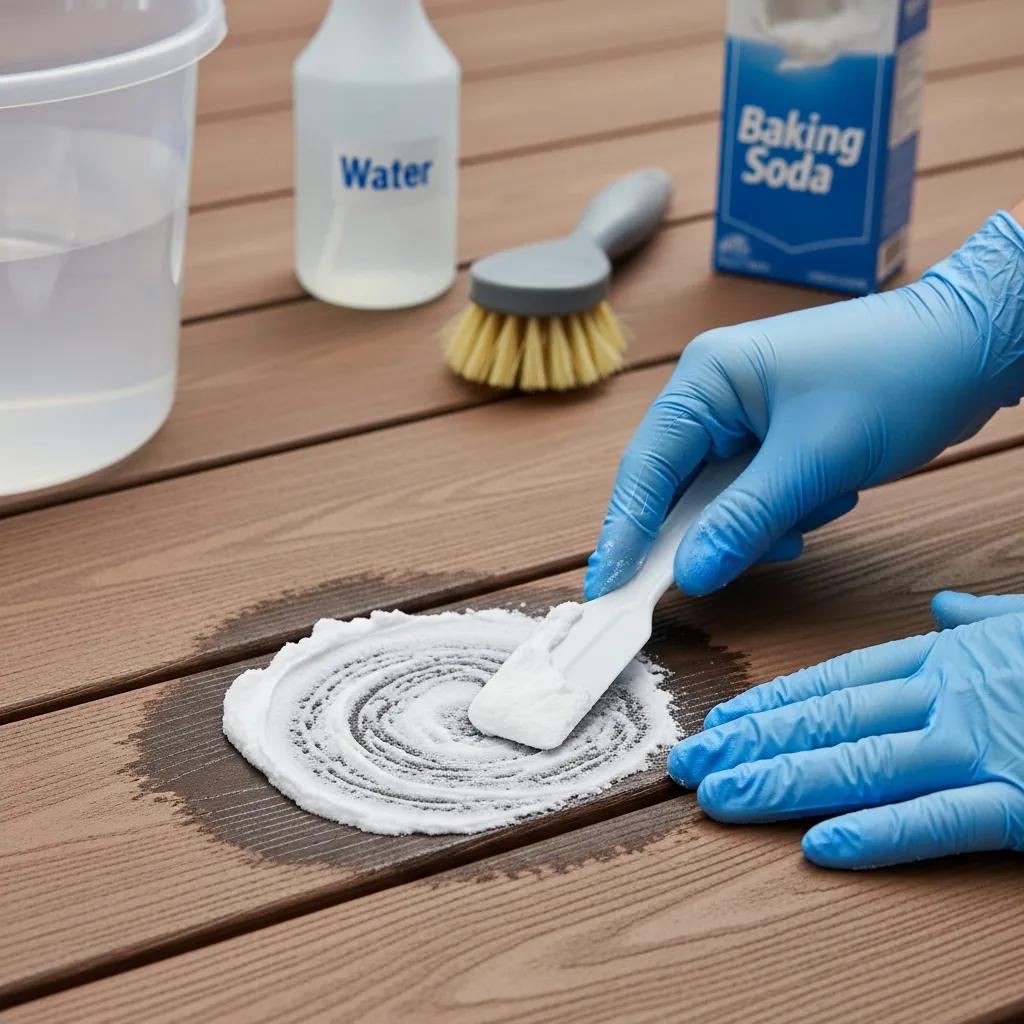
When it comes to removing stains from composite decks, the following techniques are highly effective:
- Soap and Water: For light stains, a mixture of soap and water can often do the trick.
- Baking Soda Paste: For tougher stains, a paste made from baking soda and water can be applied and scrubbed gently.
- Commercial Stain Removers: There are specific stain removers available that are safe for composite materials and can effectively tackle stubborn stains.
Using these techniques will help restore the appearance of your composite deck without causing damage.
What Is the Ideal Composite Deck Maintenance Schedule for NC Homeowners?
An ideal maintenance schedule for composite decks in North Carolina includes the following:
- Spring: Inspect for winter damage, clean the deck, and apply protective coatings if necessary.
- Summer: Regular cleaning and inspections to address any issues that arise during heavy use.
- Fall: Clear leaves and debris, and prepare the deck for winter by cleaning and inspecting for any repairs needed.
- Winter: Monitor for ice buildup and ensure proper drainage to prevent damage.
Following this schedule will help ensure that your composite deck remains in excellent condition year-round.
What Seasonal Maintenance Tasks Should Be Performed in Spring and Summer?
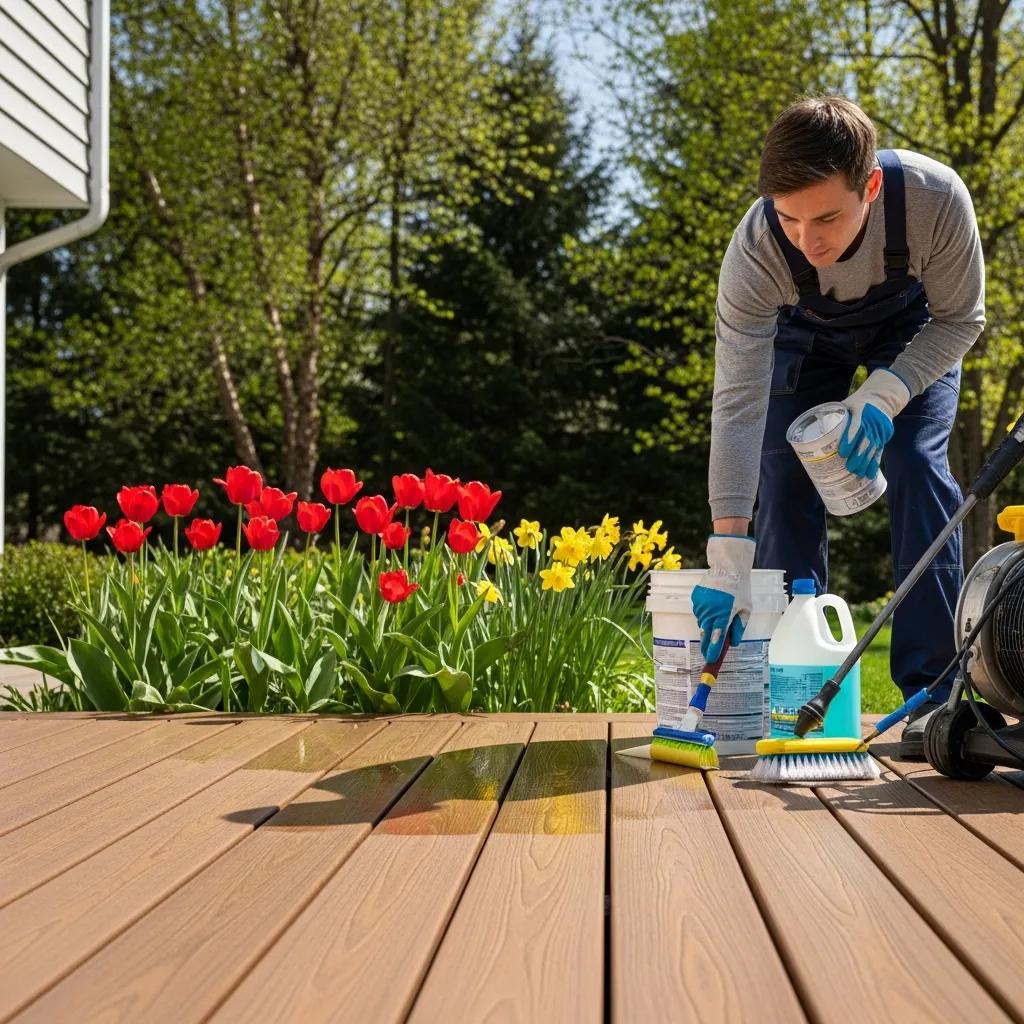
During spring and summer, homeowners should focus on the following maintenance tasks:
- Inspect for Damage: Check for any signs of wear or damage that may have occurred during the winter months.
- Thorough Cleaning: Perform a deep clean to remove any accumulated dirt and debris.
- Apply Protective Treatments: Consider applying a sealant or protective coating to enhance durability and resistance to stains.
These tasks will help prepare your deck for the warmer months and ensure it remains a safe and enjoyable space.
How Should You Prepare Your Composite Deck for Fall and Winter?
Preparing your composite deck for fall and winter involves several key steps:
- Inspect for Damage: Look for any loose boards or signs of wear that need addressing before the colder months.
- Clean Thoroughly: Remove leaves and debris to prevent moisture buildup and mold growth.
- Protect Surfaces: Apply a protective coating to shield the deck from winter weather conditions.
By taking these steps, homeowners can protect their composite decks from the harsh effects of winter.
How Do You Repair and Manage Damage on Composite Decks?
Repairing and managing damage on composite decks requires careful attention. Here are the steps to follow:
- Assess Damage: Identify the extent of the damage, whether it be scratches, stains, or loose boards.
- Remove Damaged Boards: If boards are severely damaged, they may need to be removed and replaced.
- Install New Boards: Use durable composite materials that match the existing deck for a seamless repair.
These steps will help maintain the integrity and appearance of your composite deck.
What Are Common Composite Deck Damages and How to Identify Them?
Common damages to composite decks include:
- Scratches: Often caused by furniture or heavy objects being dragged across the surface.
- Stains: Resulting from spills or organic material like leaves and dirt.
- Loose Boards: Can occur due to weathering or improper installation.
Identifying these issues early can help prevent further damage and costly repairs.
What Are the Steps to Repair Composite Decking Effectively?
To repair composite decking effectively, follow these steps:
- Identify the Damage: Determine whether the damage is superficial or requires board replacement.
- Gather Tools and Materials: Ensure you have the necessary tools, such as a drill, screws, and replacement boards.
- Follow Installation Guidelines: Adhere to the manufacturer’s guidelines for replacing or repairing boards to ensure a proper fit.
By following these steps, homeowners can effectively manage repairs and maintain their composite decks.
Which Eco-Friendly Products Are Best for Composite Deck Cleaning and Maintenance?
When it comes to eco-friendly cleaning and maintenance products for composite decks, consider the following:
- Biodegradable Cleaners: Look for cleaners that are biodegradable and safe for the environment.
- Natural Ingredients: Products made from natural ingredients can effectively clean without harmful chemicals.
- Recyclable Packaging: Choose products that come in recyclable packaging to minimize environmental impact.
Using eco-friendly products not only benefits the environment but also ensures the safety of your outdoor space.
What Are the Benefits of Using Eco-Friendly Cleaners on Composite Decks?
Using eco-friendly cleaners on composite decks offers several benefits:
- Reduced Environmental Impact: These products minimize harm to the surrounding ecosystem.
- Safety for Pets and Children: Eco-friendly cleaners are generally safer for use around pets and children.
- Effective Cleaning: Many eco-friendly products are formulated to be just as effective as traditional cleaners.
By choosing eco-friendly options, homeowners can maintain their decks while being mindful of the environment.
Which Certified Eco-Friendly Products Are Recommended for NC Decks?
For North Carolina homeowners, the following certified eco-friendly products are recommended for deck cleaning and maintenance:
- Green Seal Certified Cleaners: These products meet strict environmental standards and are effective for composite materials.
- USDA Biobased Products: Look for cleaners that are made from renewable resources and are biodegradable.
- Non-Toxic Stain Removers: Choose stain removers that are free from harsh chemicals and safe for the environment.
These products will help maintain your composite deck while supporting sustainable practices.
How Much Should NC Homeowners Budget for Composite Deck Maintenance and Repairs?
Budgeting for composite deck maintenance and repairs is essential for homeowners. Here are some typical costs to consider:
- Routine Cleaning: Expect to spend around $100-$300 annually for professional cleaning services.
- Repairs: Depending on the extent of damage, repairs can range from $200 to $1,000 or more.
- Protective Coatings: Applying a protective sealant may cost between $150 and $400, depending on the size of the deck.
By budgeting for these expenses, homeowners can ensure their composite decks remain in excellent condition.
What Are Typical Costs for Routine Composite Deck Cleaning and Upkeep?
Routine cleaning and upkeep costs for composite decks typically include:
- Professional Cleaning Services: Ranging from $100 to $300 annually, depending on the size and condition of the deck.
- DIY Cleaning Supplies: Homeowners can expect to spend around $50 to $100 on cleaning supplies if they choose to clean their decks themselves.
- Maintenance Products: Budgeting $50 to $150 for eco-friendly cleaners and protective coatings is advisable.
These costs will help homeowners maintain their decks effectively while keeping their budgets in check.
How to Estimate Repair Costs for Composite Deck Damage?
Estimating repair costs for composite deck damage involves several factors:
- Extent of Damage: Assess whether the damage is superficial or requires board replacement.
- Material Costs: Replacement boards typically cost between $2 to $5 per linear foot, depending on the brand and quality.
- Labor Costs: If hiring a professional, labor costs can range from $50 to $100 per hour.
By considering these factors, homeowners can create a more accurate budget for repairs.
To ensure your deck remains in top shape, consider getting a free quote for regular maintenance.
For homeowners seeking professional assistance, Burlington Fence & Deck offers expert services in deck maintenance and repair.
If you’re considering replacing or repairing your fence, fence installation and repair services can help maintain your property’s aesthetic and security.
For those looking to enhance their outdoor living space, deck builders can create custom solutions tailored to your needs.
Regular maintenance is crucial, and for any issues that arise, deck repair services can address damages promptly and effectively.
Additionally, ensuring the security and privacy of your property can be achieved through professional residential fence installation services.