How to Choose the Right Fence for Your NC Home
Selecting the right fence for your North Carolina home involves understanding various factors, including materials, styles, and local regulations. This guide will help you navigate the complexities of choosing a fence that not only enhances your property’s aesthetic appeal but also meets your functional needs. Homeowners often face challenges in balancing privacy, security, and compliance with local laws. By the end of this article, you will have a clear understanding of the best materials for your climate, the benefits of different styles, and how to ensure your fence adheres to local regulations. We will explore the best fence materials, compare wood and vinyl options, discuss privacy solutions, and outline the costs associated with installation and maintenance.
What Are the Best Fence Materials for North Carolina Homes?
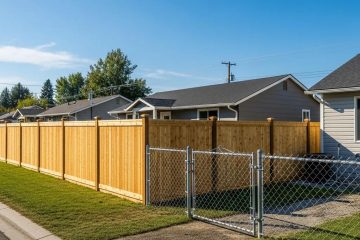
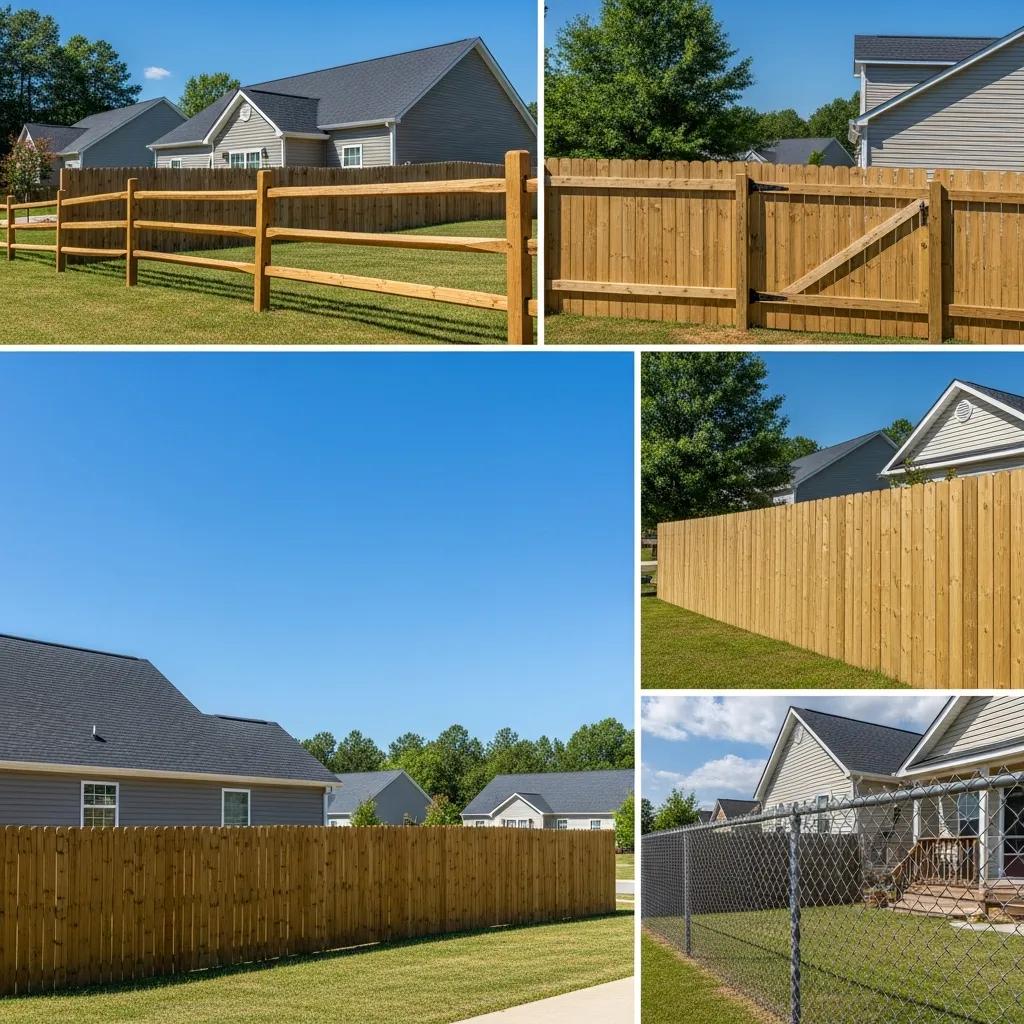
When choosing a fence for your North Carolina home, it’s essential to consider materials that can withstand the local climate. The best fence materials for this region include wood, vinyl, and metal options, each offering unique benefits. Wood fences provide a classic look and can be customized easily, while vinyl fences are known for their durability and low maintenance. Metal options, such as wrought iron and chain link, offer strength and security. Understanding the durability, maintenance requirements, and cost-effectiveness of these materials will help you make an informed decision.
How Do Wood and Vinyl Fences Compare in Durability and Maintenance?
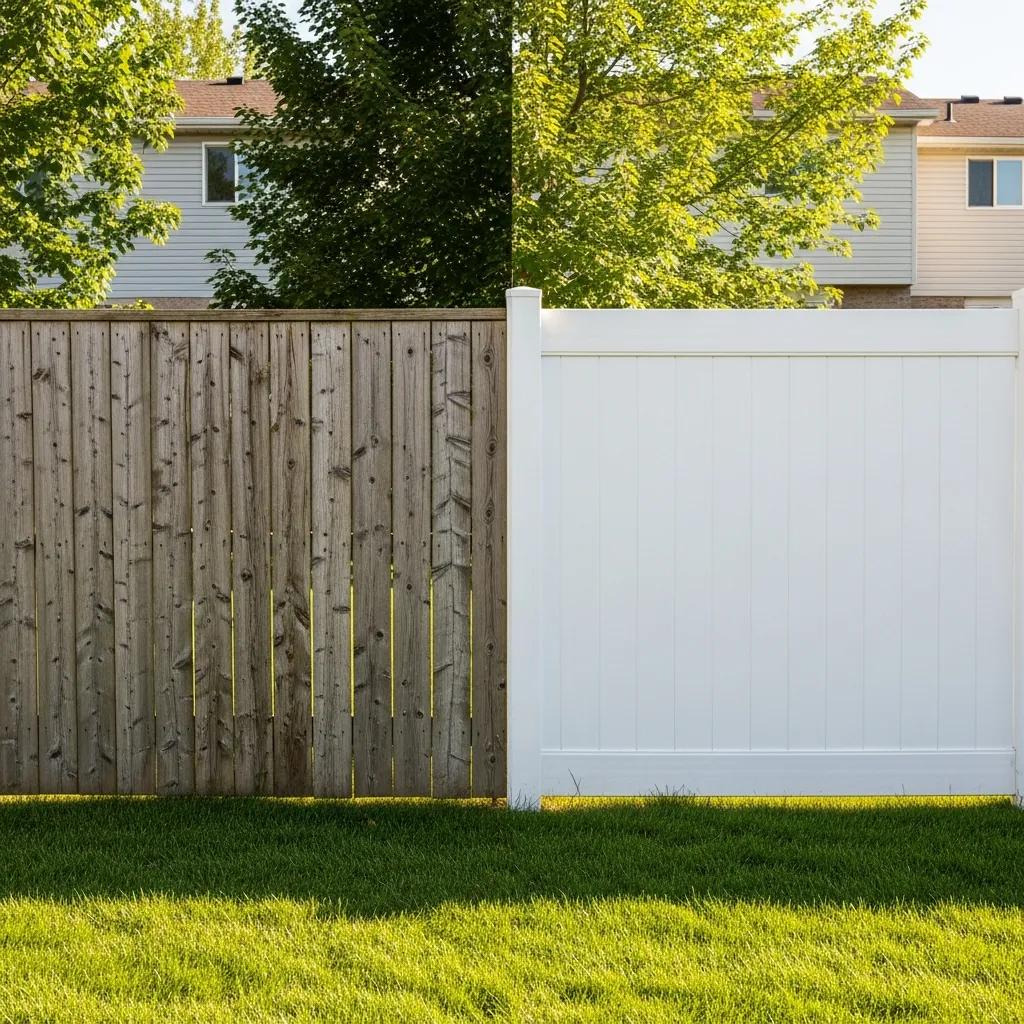
Wood and vinyl fences are popular choices among homeowners, but they differ significantly in terms of durability and maintenance.
- Durability: Vinyl fences are generally more durable than wood, as they are resistant to rot, insects, and harsh weather conditions. In contrast, wood fences may require regular treatment to prevent decay and damage.
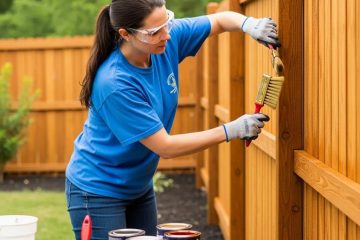
- Maintenance: Vinyl fences require minimal maintenance, typically needing only occasional cleaning. Wood fences, however, need regular staining or painting to maintain their appearance and protect against the elements.
- Cost Differences: While the initial cost of wood may be lower, the long-term maintenance costs can add up, making vinyl a more cost-effective option over time.
Understanding these differences can help you choose the right material based on your budget and maintenance preferences.
Which Fence Materials Suit North Carolina’s Climate and Humidity?
North Carolina’s climate, characterized by high humidity and varying temperatures, necessitates the selection of materials that can withstand these conditions.
- Wood: While aesthetically pleasing, wood can warp and rot if not properly treated. Choosing pressure-treated wood or cedar can enhance durability.
- Vinyl: This material is highly resistant to moisture and does not warp, making it an excellent choice for humid environments.
- Metal: Galvanized steel or aluminum fences can withstand the elements without rusting, making them suitable for long-term use in North Carolina.
Selecting materials that are resistant to humidity and temperature fluctuations will ensure your fence remains functional and attractive for years to come.
What Privacy Fence Options Are Ideal for NC Homeowners?
Privacy is a significant concern for many homeowners in North Carolina. Several fence options can provide the desired seclusion while enhancing your property’s appearance.
- Solid Wood Fences: These fences offer excellent privacy and can be customized in height and style.
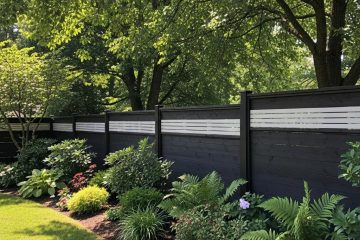
- Vinyl Privacy Fences: Available in various colors and styles, vinyl fences provide a maintenance-free option that does not compromise on privacy.
- Tall Chain Link Fences with Slats: While chain link fences are typically not private, adding slats can enhance privacy without sacrificing visibility.
Choosing the right privacy fence will depend on your specific needs and aesthetic preferences.
What Are the Benefits of Privacy Fences in Residential Areas?
Privacy fences offer numerous benefits for homeowners, particularly in residential areas.
- Security: A solid fence can deter intruders and provide a sense of safety for your family.
- Aesthetic Improvements: Privacy fences can enhance the overall look of your property, adding value and curb appeal.
- Noise Reduction: Solid fences can help block noise from nearby roads or neighbors, creating a more peaceful environment.
These benefits make privacy fences a worthwhile investment for many homeowners.
Which Styles and Materials Provide Effective Privacy in NC?
When considering styles and materials for effective privacy, several options stand out:
- Solid Board Fences: These provide complete privacy and can be made from wood or vinyl.
- Lattice-Top Fences: Offering a blend of privacy and style, these fences allow for airflow while still providing a barrier.
- Bamboo Fences: An eco-friendly option, bamboo can create a natural privacy screen that blends well with landscaping.
Selecting the right style and material will depend on your specific privacy needs and aesthetic preferences.
How Do Local Fence Regulations and Permits Affect Your Fence Choice in North Carolina?
Understanding local regulations and permits is crucial when planning your fence installation.
- Permit Requirements: Many municipalities require a permit for fence installation, especially for structures over a certain height.
- Height Restrictions: Local laws often dictate the maximum height for residential fences, which can vary by area. In North Carolina, it is common to see limits of 6 feet in backyards and 4 feet in front yards.
- Zoning Laws: These laws may affect where you can place your fence on your property, particularly near property lines.
Consulting with local authorities before installation can help you avoid potential fines and ensure compliance with regulations.
What Are the Fence Height and Permit Requirements in Burlington and NC?
In Burlington and across North Carolina, specific height and permit requirements must be adhered to when installing a fence.
- Local Height Limits: Typically, residential fences cannot exceed 6 feet in height in backyards and 4 feet in front yards.
- Permit Application Process: Homeowners must submit a permit application, which may require a site plan and details about the proposed fence.
- Common Violations: Failing to obtain a permit or exceeding height limits can result in fines or the requirement to remove the fence.
Being aware of these requirements will help ensure a smooth installation process.
How to Ensure Your Fence Complies with Local Building Codes?
To ensure your fence complies with local building codes, consider the following steps:
- Consult Local Authorities: Before installation, check with your local building department for specific regulations and requirements.
- Obtain Necessary Permits: Ensure you have all required permits before beginning construction to avoid fines.
- Work with Professionals: Hiring a licensed contractor familiar with local codes can help ensure compliance and quality installation.
Following these steps will help you avoid potential issues and ensure your fence meets all local standards.
What Are the Typical Fence Installation Costs in North Carolina?
The cost of fence installation in North Carolina can vary widely based on several factors.
- Cost per Linear Foot: On average, homeowners can expect to pay between $15 to $50 per linear foot for materials and installation, depending on the material and style chosen.
- Factors Affecting Cost: Material type, fence height, and terrain can all influence installation costs.
- Budgeting Tips: It’s advisable to obtain multiple quotes from contractors to ensure competitive pricing and to factor in additional costs for permits and materials.
Understanding these costs will help you budget effectively for your fence installation.
How Do Material and Style Influence Fence Installation Pricing?
The material and style of your fence significantly impact installation pricing.
- Material Cost Differences: Wood is often less expensive initially, but vinyl and metal may offer better long-term value due to lower maintenance costs.
- Installation Complexity: More intricate designs or taller fences may require additional labor, increasing overall costs.
- Design Choices: Custom designs or unique features can also add to the installation price.
Being aware of these factors can help you make a more informed decision when selecting your fence.
What Should Homeowners Budget for Installation and Repairs?
When budgeting for fence installation and repairs, consider the following:
- Typical Budget Ranges: Homeowners should budget between $1,500 to $3,000 for installation, depending on the material and size of the fence.
- Factors Influencing Costs: Seasonal demand, material availability, and local labor rates can all affect pricing.
- Repair vs. Installation Costs: Regular maintenance can help prevent costly repairs, so factor in ongoing costs when budgeting.
Planning for both installation and potential repairs will help ensure your fence remains in good condition over time.
How to Maintain Your Fence for Longevity in North Carolina’s Climate?
Maintaining your fence is crucial for its longevity, especially in North Carolina’s climate.
- Material-Specific Maintenance: Wood fences should be stained or painted every few years, while vinyl fences can be cleaned with soap and water.
- Seasonal Care Tips: Inspect your fence for damage after severe weather and address any issues promptly.
- Inspection Frequency: Regularly check for signs of wear, such as rot in wood or cracks in vinyl, to prevent larger problems.
Implementing these maintenance tips will help extend the life of your fence.
What Are Effective Maintenance Tips for Wood and Vinyl Fences?
To keep your wood and vinyl fences in top condition, consider these effective maintenance tips:
- Wood Fences: Regularly apply sealant or stain to protect against moisture and UV damage. Inspect for rot or insect damage and replace any affected boards promptly.
- Vinyl Fences: Clean with a mild detergent and water to remove dirt and stains. Check for cracks or fading and address any issues as they arise.
By following these maintenance tips, you can ensure your fence remains functional and attractive for years to come.
How Does Climate Impact Fence Upkeep and Repair Needs?
The climate in North Carolina can significantly impact the upkeep and repair needs of your fence.
- Seasonal Maintenance Tasks: Regular inspections are essential, especially after heavy rains or storms, which can cause damage.
- Weather-Related Damage: High humidity can lead to mold and mildew on wood fences, while extreme heat can cause vinyl to warp.
- Material Performance: Understanding how different materials react to climate conditions can help you choose the best option for your home.
Being proactive about maintenance can help mitigate the effects of climate on your fence.
What Eco-Friendly and Sustainable Fencing Options Are Available in NC?
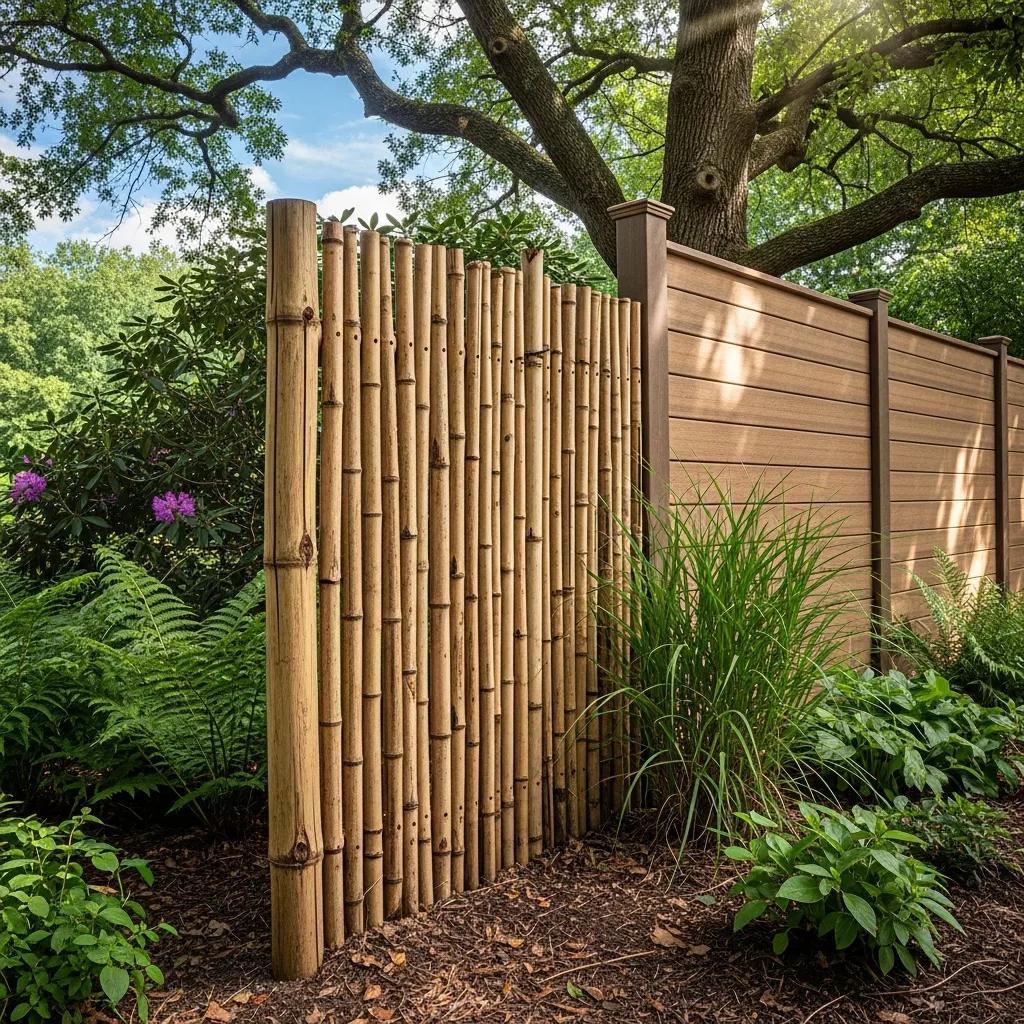
For environmentally conscious homeowners, several eco-friendly fencing options are available in North Carolina.
- Recycled Materials: Fences made from recycled plastic or composite materials offer durability and sustainability.
- Natural Wood: Sourcing wood from sustainably managed forests can reduce environmental impact.
- Bamboo Fencing: Bamboo is a rapidly renewable resource that provides a unique aesthetic while being environmentally friendly.
Choosing eco-friendly options can enhance your property while minimizing your environmental footprint.
Which Materials Offer Sustainable Alternatives for NC Homeowners?
Homeowners looking for sustainable alternatives can consider the following materials:
- Recycled Composite Fencing: Made from recycled plastics and wood fibers, this option is durable and low maintenance.
- Bamboo: A fast-growing plant, bamboo is a sustainable choice that offers a unique look.
- Cedar: Naturally resistant to decay, cedar is a sustainable wood option that can last for many years with proper care.
Selecting sustainable materials not only benefits the environment but can also enhance the aesthetic appeal of your home.
How Do Eco-Friendly Fences Perform in North Carolina’s Environment?
Eco-friendly fences can perform exceptionally well in North Carolina’s environment when chosen wisely.
- Durability: Many eco-friendly materials, such as recycled composites, are designed to withstand the elements without deteriorating.
- Maintenance Needs: These materials often require less maintenance than traditional wood, making them a practical choice for busy homeowners.
- Aesthetic Appeal: Eco-friendly options can be stylish and blend seamlessly with natural landscapes, enhancing your property’s overall look.
By selecting the right eco-friendly materials, homeowners can enjoy both functionality and sustainability in their fencing choices.
Considering a free quote can help you start planning your fence project with confidence.
For those seeking professional assistance, fence installation and repair services are readily available in Burlington.
When choosing a fence for your North Carolina home, it’s essential to consider materials that can withstand the local climate. The best fence materials for this region include wood, vinyl, and metal options, each offering unique benefits. Wood fences provide a classic look and can be customized easily, while residential fence are known for their durability and low maintenance. Metal options, such as wrought iron and chain link, offer strength and security. Understanding the durability, maintenance requirements, and cost-effectiveness of these materials will help you make an informed decision.
Beyond fences, enhancing your outdoor living space can also involve considering deck builders for custom deck designs.
Regular maintenance is key to extending the life of your deck, and deck repair services can address any issues promptly.
For more information on Burlington Fence and Deck, visit their website.