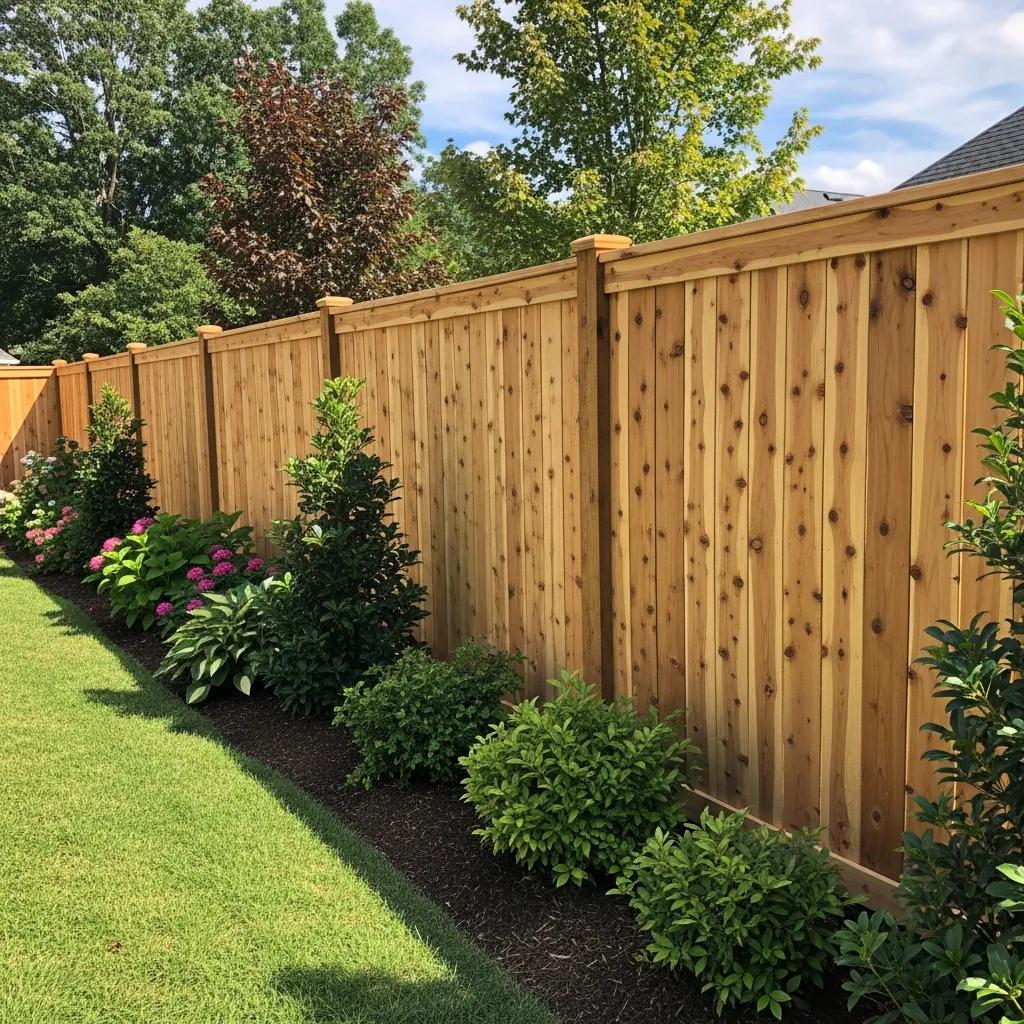
Wood and Privacy Fence Installation in Burlington, NC: Styles, Heights, and HOA Compliance Guide
Installing a wood privacy fence in Burlington, NC, is a popular choice for homeowners seeking both aesthetic appeal and functional benefits. This guide will explore various wood fence styles, their heights, and how they align with local Homeowners Association (HOA) regulations. Understanding these elements is crucial for homeowners who want to enhance their property while ensuring compliance with local laws. Many individuals face challenges in selecting the right style and height that meet both personal preferences and HOA guidelines. This article will provide insights into popular wood privacy fence styles, comparisons of wood types, height regulations, installation processes, and maintenance tips.
What Are the Popular Wood Privacy Fence Styles in Burlington, NC?
Wood privacy fences come in various styles that cater to different aesthetic preferences and functional needs. The most common styles include traditional picket fences, solid board fences, and shadowbox designs. Each style offers unique benefits, such as enhanced privacy, security, and visual appeal.
- Traditional Wooden Privacy Fences: These fences typically feature vertical boards that provide a solid barrier, ensuring maximum privacy. They are often constructed with treated lumber to withstand the elements.
- Shadowbox Fences: This style alternates boards on either side of the fence, creating a semi-private barrier that allows airflow while still providing some privacy. It is an excellent choice for homeowners who want a more open feel.
- Customizable Designs: Many homeowners opt for customized fence designs that incorporate decorative elements, such as lattice tops or unique post caps, to enhance the overall look of their property.
These styles not only serve practical purposes but also contribute to the overall aesthetic of the home, making them a popular choice among Burlington residents.
How Do Cedar, Pine, and Redwood Fences Compare?
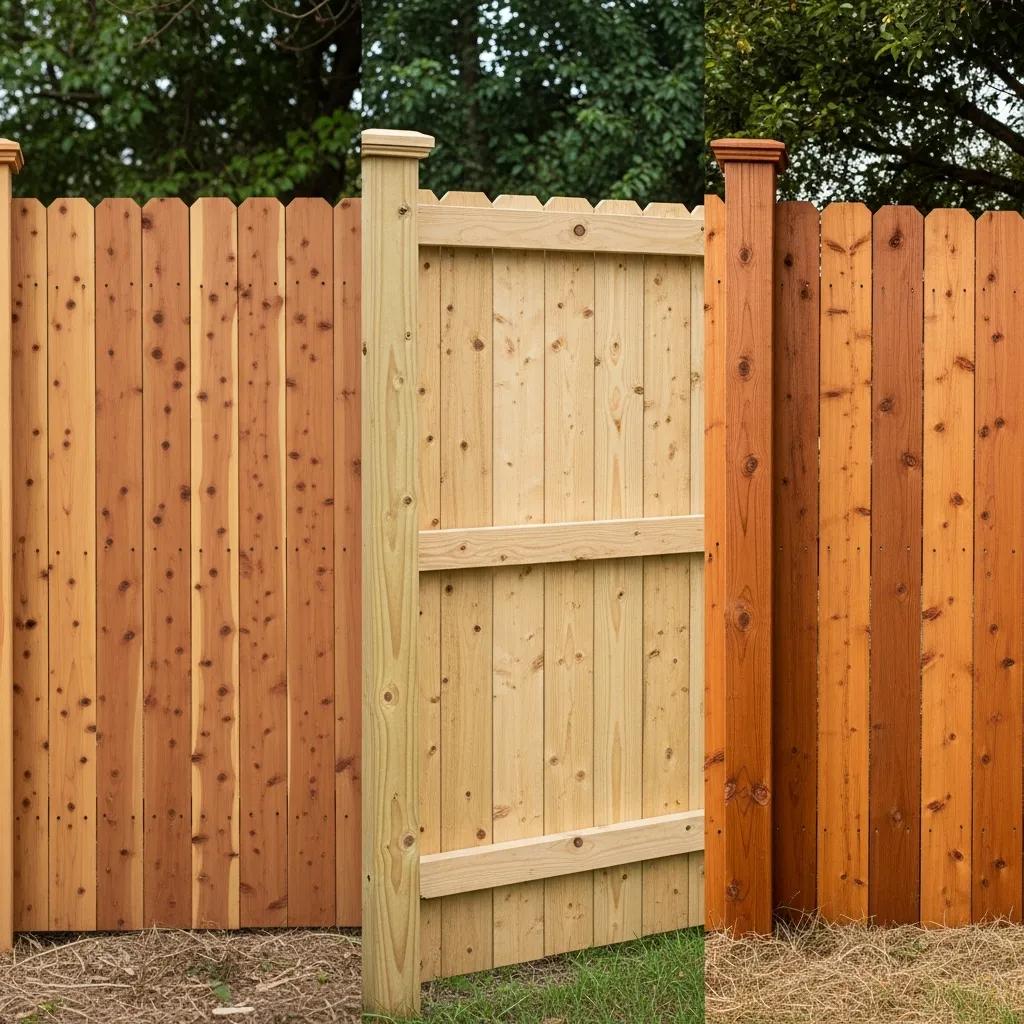
When selecting a wood type for privacy fences, cedar, pine, and redwood are the most popular options, each with distinct characteristics.
- Cedar: Known for its natural resistance to decay and insects, cedar is a durable choice that can last for decades with proper maintenance. Its rich color and aromatic scent add to its appeal.
- Pine: This is a more cost-effective option that is widely available. While it may not be as durable as cedar or redwood, treated pine can withstand the elements and is often used for budget-friendly projects.
- Redwood: Renowned for its beauty and longevity, redwood is a premium choice that resists warping and splitting. Its natural oils provide protection against pests and decay, making it a long-lasting investment.
Choosing the right wood type depends on budget, desired aesthetics, and maintenance preferences, ensuring that homeowners can find the perfect fit for their needs.
Which Fence Styles Meet Local Aesthetic and Functional Needs?
In Burlington, various fence styles cater to both aesthetic and functional needs. Homeowners often consider the following options:
- Privacy Fencing: Ideal for creating secluded outdoor spaces, privacy fences block the view from neighbors and passersby, enhancing the sense of security.
- Chain Link Fencing: While not as visually appealing, chain link fences are cost-effective and provide a clear boundary without obstructing views.
- Ranch Fencing: This style is popular for larger properties and farms, offering a rustic look while allowing visibility across the landscape.
- Wooden Fences: These versatile fences can be customized in height and design, making them suitable for various property types and personal preferences.
- Vinyl Fences: Although not wood, vinyl fences mimic the appearance of wood and offer low maintenance, making them an attractive alternative.
By understanding the available styles, homeowners can select a fence that complements their property while fulfilling their privacy and aesthetic requirements.
What Are the Fence Height Regulations and HOA Guidelines in Burlington, NC?
Understanding local regulations regarding fence heights is essential for homeowners in Burlington. The city has specific ordinances that dictate the maximum allowable heights for residential fences, which can vary based on zoning and property type.
What Are the Maximum Allowed Fence Heights in Burlington?
In Burlington, the maximum allowed fence height for residential properties is typically 6 feet in the backyard and 4 feet in the front yard. These regulations ensure that fences do not obstruct visibility for drivers and maintain the neighborhood’s aesthetic appeal. Homeowners should always check with local zoning ordinances to confirm specific height limits applicable to their property.
How Do HOA Fence Guidelines Affect Installation Choices?
Homeowners Associations (HOAs) often have additional guidelines that may restrict fence styles, materials, and heights beyond local regulations. It is crucial for homeowners to review their HOA’s rules before proceeding with installation. Common HOA requirements may include:
- Specific height limits that align with or are more restrictive than city regulations.
- Design standards that dictate the style and materials used for fences.
- Approval processes that require homeowners to submit plans for review before installation.
By adhering to these guidelines, homeowners can avoid potential disputes and ensure their fence complements the community’s overall appearance.
How Is Wood Privacy Fence Installation Performed by Local Contractors?
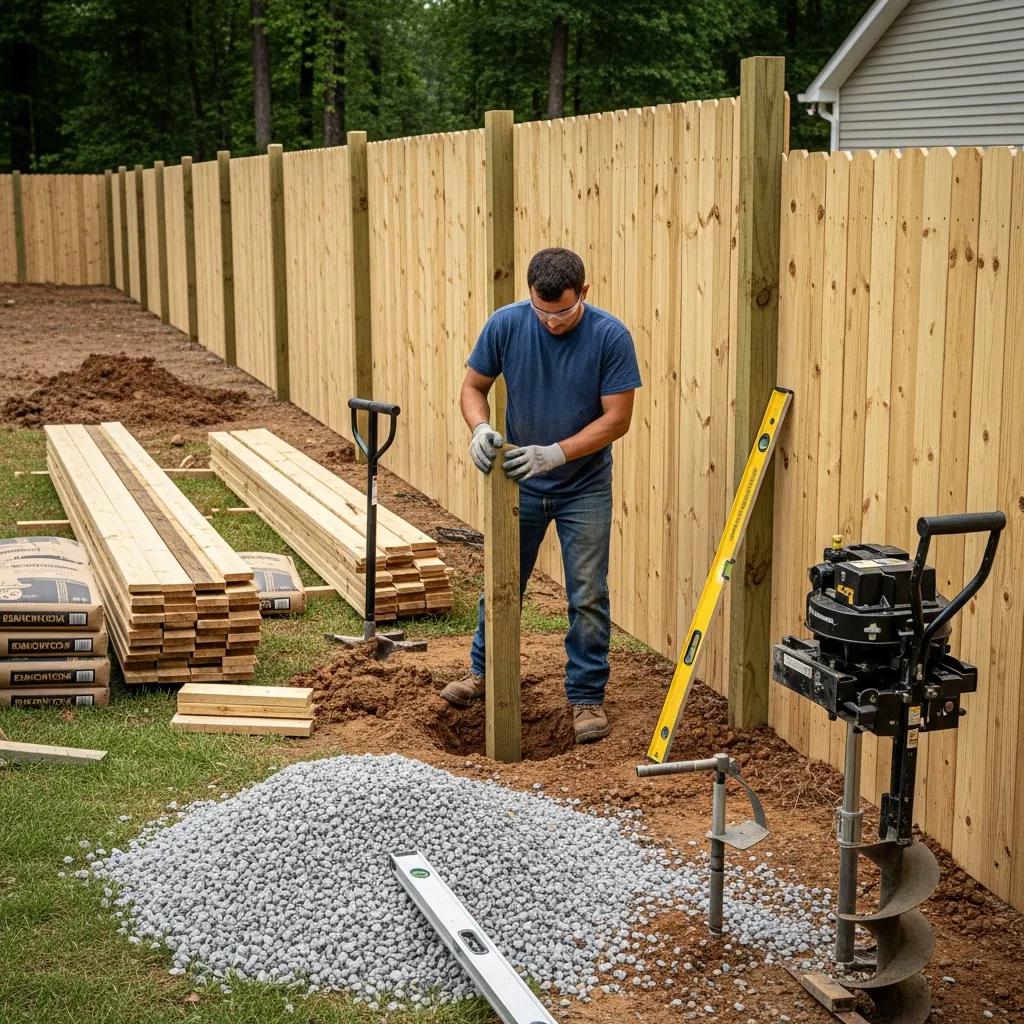
The installation of wood privacy fences involves several key steps that local contractors follow to ensure quality and compliance with regulations.
- Initial Consultation: Contractors typically begin with a consultation to discuss the homeowner’s needs, preferences, and budget.
- Obtaining Permits: Depending on local regulations, permits may be required before installation can commence.
- Site Preparation: This step involves clearing the area where the fence will be installed, ensuring a level and accessible site.
- Setting Posts: Contractors will dig post holes and set the posts in concrete to provide a sturdy foundation for the fence.
- Attaching Panels: Once the posts are secure, the fence panels are attached, ensuring they are level and properly aligned.
- Final Inspection: After installation, a final inspection is conducted to ensure the fence meets all specifications and regulations.
By following these steps, contractors ensure that the installation process is efficient and that the final product meets the homeowner’s expectations.
What Are the Step-by-Step Installation Procedures?
The installation of a wood privacy fence can be broken down into several detailed steps:
- Planning and Design: Homeowners should determine the fence layout, style, and height, considering local regulations and HOA guidelines.
- Marking the Area: Using stakes and string, the installation area is marked to outline where the fence will be placed.
- Digging Post Holes: Holes for the fence posts are dug, typically 2-3 feet deep, depending on the height of the fence.
- Setting the Posts: Posts are placed in the holes and secured with concrete to ensure stability.
- Attaching the Fence Panels: Once the posts are set, the panels are attached, ensuring they are level and evenly spaced.
- Finishing Touches: This may include adding gates, caps, or protective sealants to enhance durability.
Following these procedures helps ensure a successful installation that meets both aesthetic and functional needs.
How Do Contractors Ensure Compliance with Burlington Regulations?
Local contractors play a vital role in ensuring that fence installations comply with Burlington’s regulations. They achieve this through:
- Licensing and Insurance: Contractors must be licensed and insured, demonstrating their knowledge of local laws and regulations.
- Familiarity with Local Regulations: Experienced contractors are well-versed in the specific requirements for fence installations in Burlington, ensuring compliance.
- Quality Materials: Using high-quality materials that meet local standards is essential for durability and compliance.
Indeed, navigating the complexities of regulations, including licensing and permitting, is a critical aspect of a contractor’s work, as highlighted by industry research.
Navigating Regulatory & Permitting Challenges for Fence Installation
The findings reveal that while licensing, insurance, and bonding are seen as foundational for establishing credibility and legal compliance, the permitting process presents the most significant challenge. Respondents consistently described permitting as overly complex, inconsistent between jurisdictions, and a frequent cause of project delays.
How Regulations Impact Contractors in California: Licensing, Insurance, Bonding & Permitting, 2025
By working with knowledgeable contractors, homeowners can ensure their fence installation adheres to all necessary regulations.
What Maintenance and Repair Tips Keep Wood Privacy Fences Durable?
Maintaining a wood privacy fence is crucial for its longevity and appearance. Here are some essential maintenance tips:
- Regular Inspections: Homeowners should inspect their fences at least once a year for signs of damage or wear.
- Cleaning: Periodic cleaning with a mild detergent and water can help remove dirt and mildew, preserving the fence’s appearance.
- Protective Sealant: Applying a protective sealant every few years can help prevent moisture damage and extend the life of the wood.
- Repairs: Promptly addressing any damage, such as loose boards or broken posts, can prevent further deterioration.
- Proper Drainage: Ensuring proper drainage around the fence can help prevent rot and decay.
By following these maintenance tips, homeowners can keep their wood privacy fences looking great and functioning well for years to come.
How to Maintain Cedar, Pine, and Redwood Fences Effectively?
Each type of wood requires specific maintenance practices to ensure its longevity:
- Cedar Fences: Regularly applying a wood preservative can help maintain its natural color and prevent decay. Cleaning with a soft brush can also help remove dirt and mildew.
- Pine Fences: Treated pine should be inspected for signs of wear and may require re-treatment every few years to maintain its protective qualities.
- Redwood Fences: To preserve its rich color, redwood should be treated with a UV-blocking sealant. Regular cleaning will also help maintain its appearance.
By understanding the specific needs of each wood type, homeowners can effectively maintain their fences and prolong their lifespan.
When and How Should Fence Repairs Be Performed?
Timely repairs are essential for maintaining the integrity of a wood privacy fence. Homeowners should consider the following guidelines:
- Timing for Repairs: Repairs should be performed as soon as damage is noticed to prevent further deterioration.
- Methods for Effective Repairs: Depending on the damage, methods may include replacing broken boards, tightening loose posts, or applying sealant to prevent moisture damage.
- Materials to Use: Always use materials that match the existing fence to ensure a seamless repair.
By addressing repairs promptly and effectively, homeowners can extend the life of their wood privacy fences.
What Are the Cost and Financing Options for Residential Fence Installation in Burlington, NC?
The cost of installing a fence in Burlington, NC, typically ranges from $15 to $40 per linear foot, including installation fees. This price can vary based on the type of wood, height, and complexity of the installation.
How Do Material and Style Choices Affect Installation Costs?
The choice of materials and styles significantly impacts the overall cost of fence installation. For instance:
- Material Costs: Cedar and redwood are generally more expensive than treated pine, affecting the total project cost.
- Style Complexity: More intricate designs, such as shadowbox fences, may require additional labor and materials, increasing costs.
By understanding these factors, homeowners can make informed decisions that align with their budget.
What Financing Solutions Are Available for Homeowners?
Homeowners looking to finance their fence installation have several options available:
- Personal Loans: Many banks and credit unions offer personal loans that can be used for home improvement projects.
- Home Equity Loans: Homeowners can tap into their home equity to finance larger projects, often at lower interest rates.
- Credit Cards: For smaller projects, using a credit card can provide immediate funding, though interest rates may be higher.
By exploring these financing solutions, homeowners can find the best option to suit their financial needs while enhancing their property with a new wood privacy fence.
To get started with your free quote, contact us today.
For those seeking professional assistance, fence installation and repair services are readily available in Burlington.
Many residents also consider enhancing their outdoor living spaces with home deck builders.
Regular maintenance and deck repair can extend the life of your outdoor structures.
Consider residential fence options to enhance your property’s value and security.
For more information, visit Burlington Fence and Deck.